

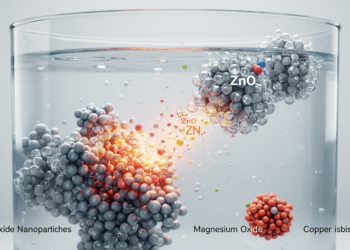
Zinc Oxide Nanoparticles Beat Magnesium and Copper Oxides in Dye-Degrading Showdown
In a controlled comparison, zinc oxide nanoparticles degraded 85 percent of methyl red dye under xenon-lamp irradiation, outperforming magnesium oxide ...
In a controlled comparison, zinc oxide nanoparticles degraded 85 percent of methyl red dye under xenon-lamp irradiation, outperforming magnesium oxide ...

A systematic comparison of Cu-, Ni-, Co-, and Mg-substituted zinc orthotitanate spinels shows nickel doping delivers the highest UV-driven methylene ...
Generative protein design and directed evolution produced artificial metalloenzymes that support highly enantioselective light-driven reactions with synthetic metal photocatalysts.

A controlled PET-fabric study found that neutral, acidic and alkaline treatments produced different MXene interfaces, coating structures and multifunctional performance ...

A low-temperature sorbitol-nitrate pyrolysis method produced controllable bismuth oxide polymorphs and one-step composites by adjusting precursor stoichiometry and the gas ...
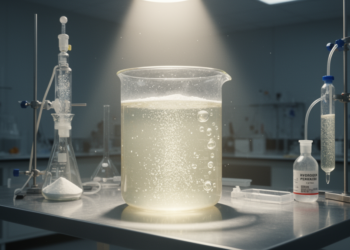
An abstract-reported laboratory study found that a visible-light-responsive Sb2S3/BiOBr heterojunction produced 419.54 µmol L−1 of H2O2 while removing 84.50% of ...
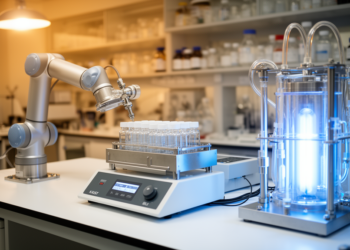
KAIST chemists have built an automated platform that combines robots, continuous-flow chemistry and visible light to synthesize drug candidate compounds ...
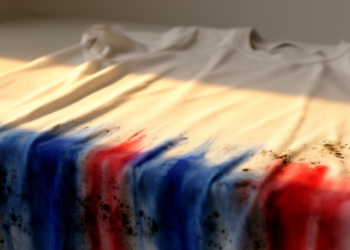
Researchers in Pakistan have coated cotton fabric with a defect-engineered g-C3N4/Zn-doped TiO2 heterojunction that degrades 98 percent of a model ...
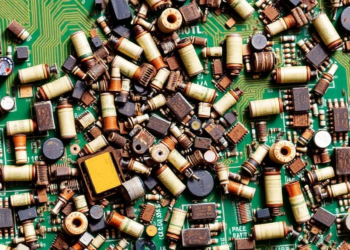
Researchers have converted tin recovered from solder in waste printed circuit boards into 7.6-nanometre tin oxide nanoparticles that completely degrade ...
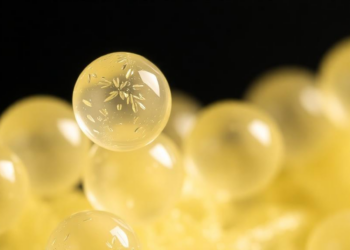
Researchers have developed recoverable chitosan-based hydrogel beads embedded with a zirconium metal-organic framework and reduced graphene oxide that remove nearly ...


Embark on a thrilling journey of discovery with Scienmag.com—your ultimate source for cutting-edge breakthroughs. Immerse yourself in a world where curiosity knows no limits and tomorrow’s possibilities become today’s reality!