


Wearable AI forecasts prolonged sitting in women with chronic pelvic pain
A peer-reviewed modeling study found that personalized AI using Fitbit data forecast prolonged sedentary periods one hour ahead in women ...
A peer-reviewed modeling study found that personalized AI using Fitbit data forecast prolonged sedentary periods one hour ahead in women ...

HGACL-DRP achieved reported mean AUC values of 95.48% and 98.99% on two public cancer cell-line datasets in a computational drug-response ...
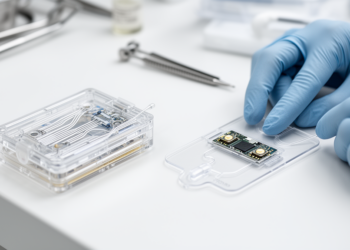
A review finds that AI-enabled microfluidic wearables and implants could support continuous personalized monitoring, but clinical adoption requires stable materials, ...
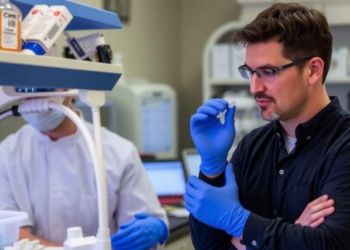
Nikki Thiele’s five-year NIH award will fund planned research into new bifunctional chelators for targeted radiopharmaceuticals used in cancer imaging ...

A clinical study combining metabolomics, microbiome sequencing and machine learning identified molecular and microbial signatures that predict adverse reactions to ...
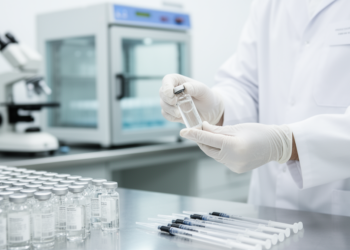
A new position paper in Pharmacia finds the economic case for therapeutic drug monitoring of biologics rests on just two ...

A Norwegian-Swedish study links D2 receptor gene expression and prolactin staining to acute bromocriptine response in pituitary tumors.

A new device-independent model predicts the plantar force field of any individual from body mass, walking speed, and foot length, ...

Researchers argue that clarifying what matters most to patients with multiple chronic conditions should come first in shared decision-making, especially ...

Patient-derived microtumors grown from core needle biopsies as small as a few cubic millimeters of tissue successfully predicted breast cancer ...


Embark on a thrilling journey of discovery with Scienmag.com—your ultimate source for cutting-edge breakthroughs. Immerse yourself in a world where curiosity knows no limits and tomorrow’s possibilities become today’s reality!