

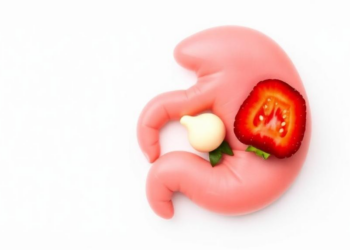
Solid Foods and the Gut: Why the Second Six Months May Define a Baby’s Microbiome for Life
New research and commentary in Pediatric Research highlight the transition to solid foods as a critical, under-studied window in infant ...
New research and commentary in Pediatric Research highlight the transition to solid foods as a critical, under-studied window in infant ...

A new Pediatric Research reflection by Alex Smith traces nearly twenty years of living alongside his son Harrison's Duchenne muscular ...
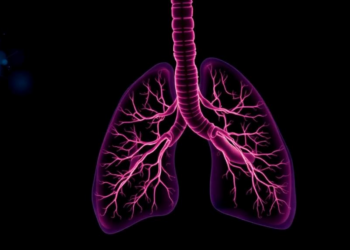
Researchers found that distinct patterns of pro-inflammatory cytokines and matricellular proteins in the airways of preterm infants during the first ...

A new review in Pediatric Research charts how exposome science, from wearable sensors to multi-omics cohorts, is transforming the measurement ...

A qualitative study of neonatal nurses in three Dutch intensive care units finds that vascular access decisions are made reactively ...
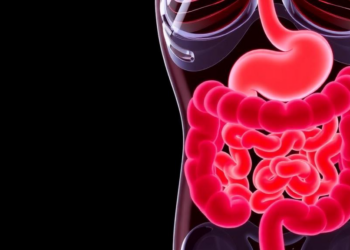
A new case-control study finds that serum claudin-3, a tight junction protein, is elevated in adolescents with functional gastrointestinal disorders ...

Endothelial cells from newborns with congenital diaphragmatic hernia display hyperactive but inefficient mitochondria, linking cellular energy dysfunction to pulmonary vascular ...

A new meta-analysis of 27 studies finds that heart rate variability differences after hospital discharge are condition-specific and age-dependent, with ...

A prospective matched study finds that executive dysfunction and parental stress, rather than ECMO itself, are the strongest predictors of ...

A new commentary in Pediatric Research argues that adequate maternal nutrition, including long-chain polyunsaturated fatty acids such as DHA, may ...


Embark on a thrilling journey of discovery with Scienmag.com—your ultimate source for cutting-edge breakthroughs. Immerse yourself in a world where curiosity knows no limits and tomorrow’s possibilities become today’s reality!