

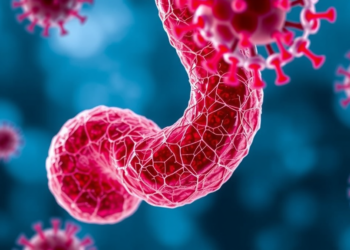
New Immune Checkpoint Discovery Explains Why Gastric Cancers Ignore PD-1 Drugs
Researchers created a mouse model of refractory gastric cancer and discovered that the YAP-driven BST2 protein reprograms neutrophils and Kupffer ...
Researchers created a mouse model of refractory gastric cancer and discovered that the YAP-driven BST2 protein reprograms neutrophils and Kupffer ...
A multicohort study finds that gastric tumors rich in PD-1 and LAG-3 double-positive CD8 T cells—an activated, pre-exhausted population—are linked ...
A network meta-analysis of eight Phase III trials involving 7,127 patients suggests that the PD-1/CTLA-4 bispecific antibody cadonilimab plus chemotherapy ...
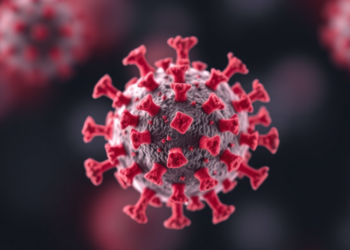
A selective dual T-cell activator directed at the TCR beta chain revives exhausted antitumor T cells and sensitizes checkpoint-resistant cancers ...
A review in Experimental & Molecular Medicine examines how chronic antigen exposure and a hostile tumour microenvironment reprogram T cells ...
A Japanese study found that immune-related adverse events during checkpoint inhibitor therapy for advanced gastric cancer were independently linked to ...

A new review shows that physical exercise can remodel the tumor microenvironment to convert immunologically cold tumors into treatment-responsive ones ...
A specialized APOE-producing Kupffer cell population in transplanted livers restrains rejection by driving attacking CD8-positive tissue-resident memory T cells into ...
A new review in Genes & Diseases examines how T cell exhaustion may become both an obstacle and an opportunity ...

In the evolving landscape of cancer treatment, the intricate interaction between immune cells and tumor microenvironments remains a focal point ...


Embark on a thrilling journey of discovery with Scienmag.com—your ultimate source for cutting-edge breakthroughs. Immerse yourself in a world where curiosity knows no limits and tomorrow’s possibilities become today’s reality!