

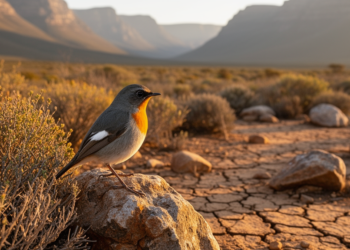
Ancient arid corridor and niche divergence shaped the Cape Robin-chat’s split populations
New genetic and paleoclimate modeling reveals that one-way gene flow along an intermittent arid corridor, combined with niche divergence, has ...
New genetic and paleoclimate modeling reveals that one-way gene flow along an intermittent arid corridor, combined with niche divergence, has ...
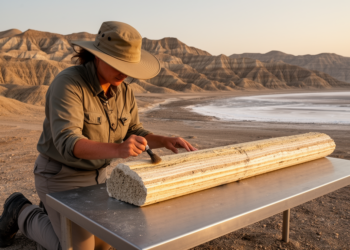
New sediment records from the Qaidam Basin show that the dominant orbital rhythm of Late Pliocene precipitation shifted from 100,000-year ...
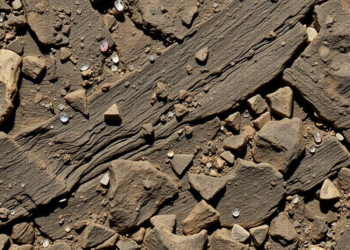
Calcareous nannofossils from the Tonasa Formation in South Sulawesi have pinned the Eocene to Oligocene boundary in Indonesia and revealed ...
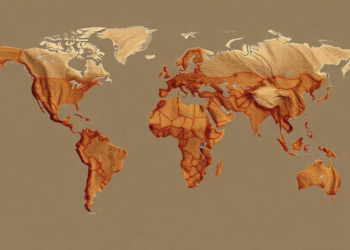
A systematic review of 38 Permian-Triassic Boundary sections shows the deadliest mass extinction in Earth's history was driven by loosely ...
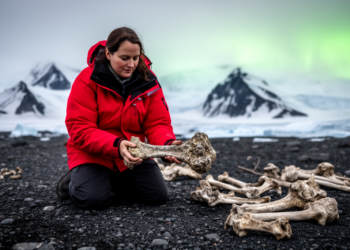
Micro-X-ray fluorescence scanning of Eocene penguin fossils from Seymour Island reveals geochemical fingerprints of Antarctic weathering, depositional energy, and redox ...

A pond snail discovered in Kazakhstan some 2,200 kilometers beyond its known East Asian range carries genetic diversity pointing to ...

An Earth system model study indicates that about 18,000 petagrams of predominantly magmatic carbon drove the Early Jurassic Toarcian hyperthermal, ...
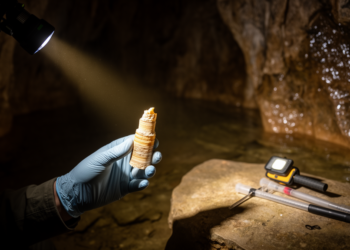
A 450,000-year stalagmite record from the Peruvian Andes shows that Southern and Northern Hemisphere monsoons usually swung in opposition but ...

A sampling-standardized analysis of fossil spore-pollen records shows that the two great pulses of land plant turnover in the past ...
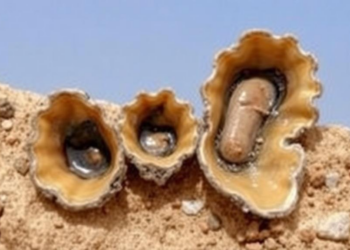
Stable isotope analysis of Pleistocene to modern Etheria elliptica shells from the Atbara River shows that strong rainfall seasonality has ...


Embark on a thrilling journey of discovery with Scienmag.com—your ultimate source for cutting-edge breakthroughs. Immerse yourself in a world where curiosity knows no limits and tomorrow’s possibilities become today’s reality!