


Tropical Rhodoliths Exceed Corals in Daytime Carbon Fixation and Calcification Rates
In situ incubation experiments in the Colombian Caribbean revealed that free-living rhodoliths achieve higher daytime rates of net organic carbon ...
In situ incubation experiments in the Colombian Caribbean revealed that free-living rhodoliths achieve higher daytime rates of net organic carbon ...

A multi-omics study of a Caribbean suboxic and acidic marine sinkhole reveals a specialized microbial community adapted to extreme geochemical ...

Analysis of three decades of atmospheric oxygen and carbon dioxide measurements reveals that the ocean has absorbed a growing share ...

High-resolution ocean simulations reveal that compound extremes combining elevated heat, severe acidification, and low oxygen will expand across Hawaiian waters, ...

Biogeochemical modeling reveals that reducing atmospheric carbon concentrations rapidly weakens oceanic carbon uptake within several years, with the largest reductions ...

Centennial-scale Earth system simulations show that sustained high greenhouse gas emissions exhaust the ocean's surface carbon buffering capacity by the ...

A UC Davis study shows that adding crushed shells to beach sand lowers local water acidity, allowing baby clams to ...

A new quality-controlled data product, NWESDAP, compiles 46,545 marine carbonate system data points from the northwest European shelf seas to ...
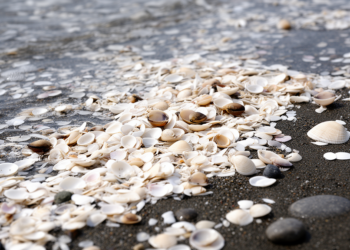
A 90-day laboratory experiment found that mixing crushed shell into sediment raised pore water pH and partially offset the growth ...
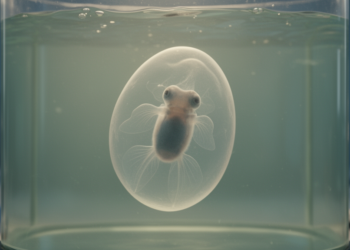
A laboratory study of Pharaoh cuttlefish embryos found that acidified seawater delayed development, shrank and paled the ink sac, and ...


Embark on a thrilling journey of discovery with Scienmag.com—your ultimate source for cutting-edge breakthroughs. Immerse yourself in a world where curiosity knows no limits and tomorrow’s possibilities become today’s reality!