


Brain atrophy in frontotemporal dementia tracks neurotransmitter receptor maps
A prospective neuroimaging study finds that atrophy patterns across frontotemporal dementia syndromes spatially align with maps of neurotransmitter receptor expression.
A prospective neuroimaging study finds that atrophy patterns across frontotemporal dementia syndromes spatially align with maps of neurotransmitter receptor expression.

A new narrative review synthesizes the epidemiology, diagnosis, mechanisms and treatment of medication-overuse headache, a preventable secondary headache disorder affecting ...

Bilateral globus pallidus lesions are an uncommon but characteristic manifestation of heat-induced brain injury and may present with hyperkinetic movement ...

A 61-year-old man's cerebellopontine angle tumor showed high-grade fetal adenocarcinoma features, but no lung primary could be found on initial ...
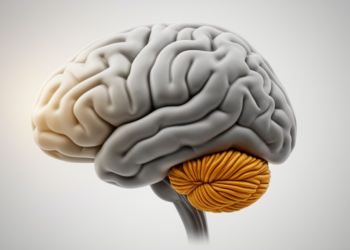
A new study reveals that cerebellar degeneration impairs feedback-based learning and inhibitory control, with structural changes in the hippocampus and ...

A new review proposes the NEIF hypothesis, reframing primary dysmenorrhea as a systemic condition spanning progesterone withdrawal, inflammation, oxidative stress ...

A Lehigh-led team received a four-year, $2.8 million NIH grant to develop UniBrain, a unified AI platform for streamlining brain-imaging ...
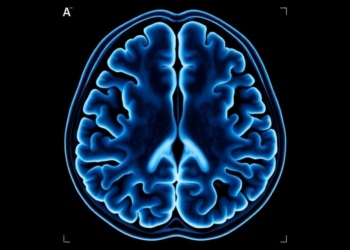
A cross-sectional CT study of 314 healthy adults in Chattogram establishes the first population-specific normative values for eight brain ventricular ...
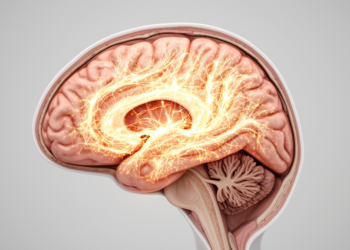
A small exploratory prospective NIRS study in Japan found that patients with mood disorders who later attempted suicide showed elevated ...
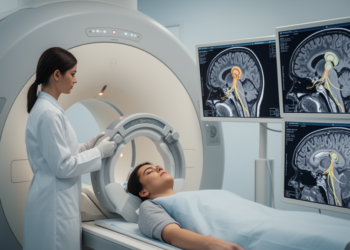
A cross-sectional MRI study found thicker cerebellar Lobules IV and VI in patients with trigeminal neuralgia, while exploratory paired scans ...


Embark on a thrilling journey of discovery with Scienmag.com—your ultimate source for cutting-edge breakthroughs. Immerse yourself in a world where curiosity knows no limits and tomorrow’s possibilities become today’s reality!