

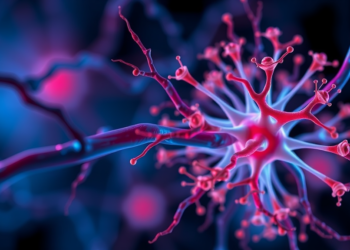
Synaptotagmins: How Calcium-Sensing Proteins Decide Whether Neurons Thrive or Die
A sweeping review of all seventeen mammalian synaptotagmin proteins reveals how failures in calcium-sensing vesicle fusion machinery can cascade from ...
A sweeping review of all seventeen mammalian synaptotagmin proteins reveals how failures in calcium-sensing vesicle fusion machinery can cascade from ...

A new study in rats shows that perineuronal nets in the developing hippocampus fluctuate rather than grow steadily, with females ...

A randomized controlled trial in China found that young children with autism who added a modified ketogenic diet to rehabilitation ...

A new study from the Okinawa Institute of Science and Technology finds that children with ADHD retell stories less completely ...

Roughly one in ten Americans lives with a neurodevelopmental condition, yet for decades scientists have struggled to answer a deceptively ...
Every time a human cell divides, it must copy roughly six billion letters of DNA—a feat accomplished by molecular machines ...
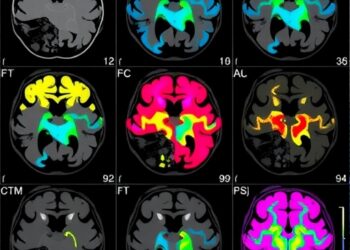
A new case series published in the Journal of Neurology is broadening the medical understanding of disorders linked to pathogenic ...
The brain depends on an intricate internal recycling system to keep its exceptionally long-lived cells functioning. A new review in ...
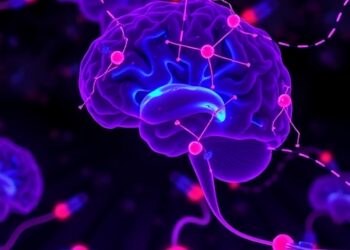
Fragile X syndrome, the most common inherited cause of intellectual disability, has long challenged scientists searching for treatments that improve ...
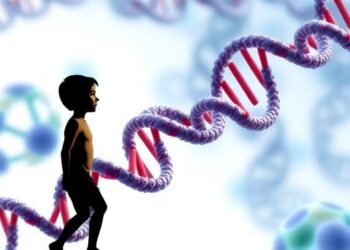
Variants in the human gene PSPH may help explain why some people develop severe neurological disorders linked to inadequate production ...


Embark on a thrilling journey of discovery with Scienmag.com—your ultimate source for cutting-edge breakthroughs. Immerse yourself in a world where curiosity knows no limits and tomorrow’s possibilities become today’s reality!