

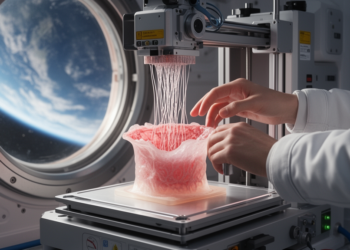
Printing Tissue in Orbit: How Space Is Becoming the Next Biomedical Lab
A new review details how tissue engineering, 3D bioprinting, tissue chips, and biosensors are turning orbital microgravity into a powerful ...
A new review details how tissue engineering, 3D bioprinting, tissue chips, and biosensors are turning orbital microgravity into a powerful ...
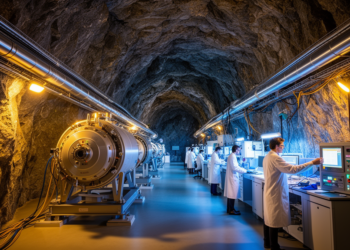
Deep beneath the Swiss Alps, inside two 800-meter vertical shafts drilled during construction of the Gotthard railway base tunnel, a ...

A new review finds artificial gravity has a strong physiological rationale and partial evidence from bed-rest studies, but durable protection ...

A new review suggests antioxidant-rich natural compounds such as Mirtogenol, Ginkgo biloba extract, saffron, curcumin, coenzyme Q10, resveratrol, vitamin E, ...
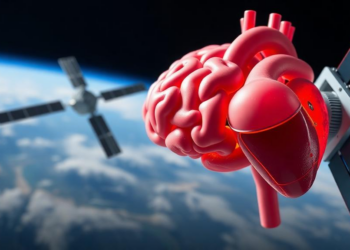
Mount Sinai researchers are launching bioengineered human brain and cardiovascular tissue models aboard the SpaceX CRS-35 mission to study microgravity, ...
Human stem cells from Adelaide University's Centre for Cancer Biology have returned safely to Earth after a suborbital rocket flight ...
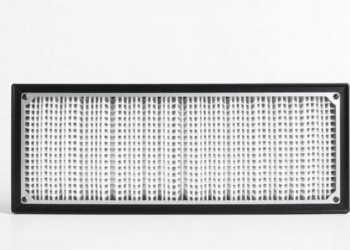
Researchers have developed a charge-induced liquid-lined filter that achieves 99.6% single-pass air purification efficiency, resists clogging through a self-renewing liquid ...
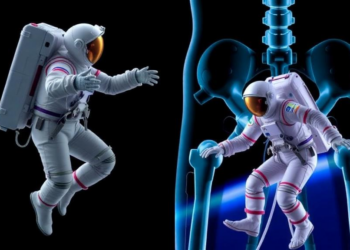
A new study in Mayo Clinic Proceedings finds that astronauts on spaceflights longer than 90 days show higher hip fracture ...

NYU physicists built a custom microgravity simulator and found that the human genome's organization and dynamics remain robust after 24 ...

A new simulation framework combining computational fluid dynamics, molecular docking, and Monte Carlo risk modeling predicts how airborne chemical contaminants ...


Embark on a thrilling journey of discovery with Scienmag.com—your ultimate source for cutting-edge breakthroughs. Immerse yourself in a world where curiosity knows no limits and tomorrow’s possibilities become today’s reality!