


Boosting models forecast Tabriz PM2.5 with mixed short- and multi-day skill
A study using 2013–2023 data from three aggregated Tabriz monitoring stations found that boosting models performed best for short-term forecasts, ...
A study using 2013–2023 data from three aggregated Tabriz monitoring stations found that boosting models performed best for short-term forecasts, ...

An interpretable machine-learning study of hourly ozone at one Wuhan monitoring site from 2019–2025 found strong short-term persistence and a ...

Jaroslav Fous's Diamond Dust Sky Eye took the Grand Prize in the 2026 AMS Photo Contest, which drew 1,075 photographers ...
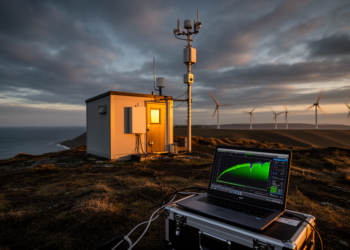
A new cloud-edge AI framework called SMWPF combines a lightweight edge predictor with a Qwen-based cloud model to cut wind ...

A systematic review of 190 studies finds that integrated geospatial, meteorological, hydrological and AI-based approaches are transforming flood risk assessment, ...

A hybrid feature selection framework combining correlation analysis, PCA, neural sensitivity testing, and SHAP/LIME explainability reveals that average battery voltage ...
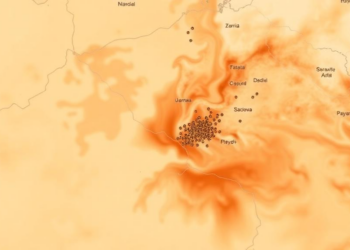
A seven-year study of springtime PM2.5 in Riyadh reveals severe pollution peaks, persistent hotspots in the city's south and center, ...
An eight-year analysis of in situ measurements across India shows particulate pollution declining over much of the Indo-Gangetic Plain while ...
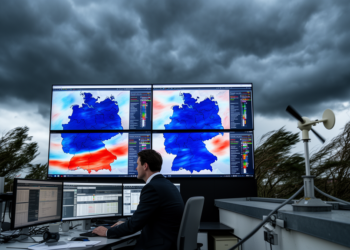
Researchers at the University of Bonn have developed a spatial Bayesian hierarchical extreme value model that calibrates wind gusts from ...
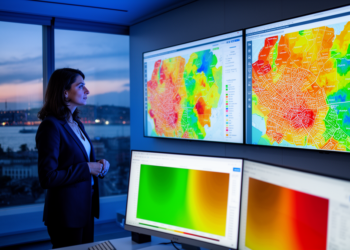
Researchers built a two-stage hybrid machine learning framework combining K-Means clustering and XGBoost that predicts Istanbul's Air Quality Index with ...


Embark on a thrilling journey of discovery with Scienmag.com—your ultimate source for cutting-edge breakthroughs. Immerse yourself in a world where curiosity knows no limits and tomorrow’s possibilities become today’s reality!