

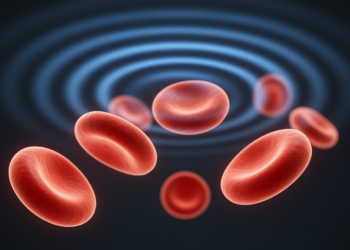
Human Red Blood Cells Stay Stable After Wi-Fi-Band Electromagnetic Exposure
In vitro exposure of human red blood cells to 2.41 GHz electromagnetic fields at intensities typical of wireless devices left ...
In vitro exposure of human red blood cells to 2.41 GHz electromagnetic fields at intensities typical of wireless devices left ...

A 73-year-old Japanese man whose eyes, nose and skin were being progressively destroyed by his own immune system has made ...
Engineered bacterial outer membrane vesicles dried into thin polymer films remained structurally intact for eight weeks at room temperature, with ...
Duck farming in China has grown into one of the most productive corners of the waterfowl industry, built on birds ...
A validated system dynamics model shows Australia's 70 percent plastic recovery target fails through universal processing but succeeds with an ...
The transition toward zero-carbon energy systems has placed unprecedented pressure on the supply chains of several critical metals, and this ...
Scientists in South Africa have shown that three of the most ordinary substances in a chemistry laboratory — polyethylene glycol, ...
Cell death is rarely a tidy affair, but a newly proposed framework argues that one recently identified form of lytic ...
The concept of membrane order provides a quantitative framework for describing a property of the plasma membrane that has historically ...

Embark on a thrilling journey of discovery with Scienmag.com—your ultimate source for cutting-edge breakthroughs. Immerse yourself in a world where curiosity knows no limits and tomorrow’s possibilities become today’s reality!