


Review Outlines Macrophage Polarization and Metabolic Reprogramming Mechanisms in Sepsis
A scientific review details how macrophage polarization and metabolic reprogramming govern inflammatory responses and organ damage in sepsis.
A scientific review details how macrophage polarization and metabolic reprogramming govern inflammatory responses and organ damage in sepsis.

An integrative analysis of 485 hepatocellular carcinoma cases has identified two heme metabolism-related molecular subtypes and a four-gene prognostic signature ...

Integrating single-cell and spatial transcriptomics reveals five pancreatic cancer innervation subtypes linked to patient prognosis and immunotherapy resistance.

A binational spatial immunophenotyping study of 581 non-small cell lung cancer patients demonstrates that macrophage proximity to cancer cells and ...

An eight-gene stress granule signature stratifies survival outcomes and characterizes immune microenvironments in esophageal squamous cell carcinoma.

A study in the International Journal of Oral Science reveals that chronic stress activates a hypothalamic-pituitary-bone marrow axis, driving immunosuppressive ...

A computational study identified and validated a three-gene placental signature—FLT1, LEP, and HTRA4—linked to inferred M2 macrophage enrichment that discriminates ...

A study in Cell Death Discovery reveals that a USP24-NF-κB positive feedback loop increases BMP4 expression, inducing cardiac fibrosis in ...

A study in the Journal of Cellular and Molecular Medicine reveals that silencing PTGS1 promotes M2 macrophage polarization via PPARγ ...
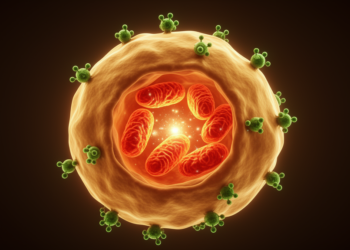
New research shows that the cytokine MIF does not dictate whether macrophages become inflammatory or repair-like, but instead supplies the ...


Embark on a thrilling journey of discovery with Scienmag.com—your ultimate source for cutting-edge breakthroughs. Immerse yourself in a world where curiosity knows no limits and tomorrow’s possibilities become today’s reality!