


SUNY funds Binghamton AI cancer diagnostics and RNA delivery research
Binghamton University researchers received SUNY seed funding to develop an AI pathology model and an amino-acid-based nanoparticle platform for delivering ...
Binghamton University researchers received SUNY seed funding to develop an AI pathology model and an amino-acid-based nanoparticle platform for delivering ...
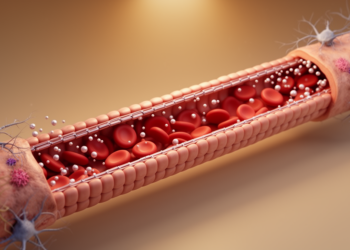
A PLoS Biology perspective argues that the real challenge in treating neurodegenerative disease is no longer crossing the blood–brain barrier, ...
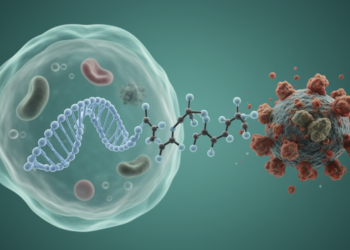
A Journal of Translational Medicine review outlines how mRNA-encoded antibodies, bispecific constructs, and transient CAR expression could overcome the manufacturing ...
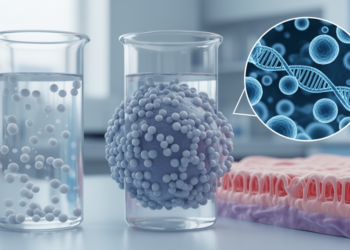
A collaborative laboratory study found that storage-buffer choice can change the structure, stability and cell-delivery performance of mRNA lipid nanoparticles ...

An AI-guided lipid nanoparticle formulation remained functional after two months at 37 degrees Celsius or one year at room temperature ...

A 2026 review summarizes advances in CRISPR-Cas9 precision, delivery and primary-cell engineering for genetic diseases and diabetes, while the available ...

A new cross-platform review of eighteen FDA-approved RNA therapeutics finds that adverse effects depend more on delivery chemistry and administration ...
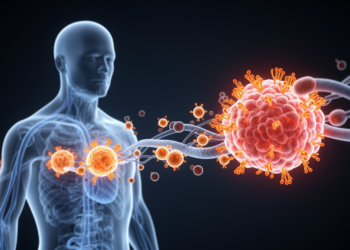
A new review charts how in vivo CAR-T engineering could transform customized living drugs into scalable, off-the-shelf genetic medicines.
Infant neuroblastoma is one of the most clinically paradoxical cancers in medicine. Diagnosed during the first year of life, it ...

A new hypothesis proposes that programmable lipid nanoparticles may shape cellular memory systems to extend the durability of mRNA vaccines ...


Embark on a thrilling journey of discovery with Scienmag.com—your ultimate source for cutting-edge breakthroughs. Immerse yourself in a world where curiosity knows no limits and tomorrow’s possibilities become today’s reality!