

Plankton metabolism may explain a quarter of the ice age CO2 drop
A new study estimates that temperature-dependent plankton metabolism could account for about 20 ppm of the roughly 90 ppm glacial ...
A new study estimates that temperature-dependent plankton metabolism could account for about 20 ppm of the roughly 90 ppm glacial ...
A new analysis of mitochondrial genomes from the Koṅkaṇī population reveals deep South Asian and West Eurasian maternal lineages, pre- ...

An ensemble climate model projects a 57.6–71.1% decline in suitable habitat for Vietnam’s vulnerable Pinus krempfii by the 2070s, with ...
Simulations and reanalysis data indicate that 4–6°C of warming since the Last Glacial Maximum enlarged the area of negative-PDO drying ...
Radiocarbon-dated fish otoliths show that ice cod and polar cod occupied the central Arctic during the last ice age but ...

A global comparative modelling analysis of five paleoclimate datasets found divergent Last Glacial Maximum cooling estimates and treeline reconstructions across ...

A new MaxEnt-based study traces the glacial refugia and future habitat decline of China's cold-hardy orchid Calanthe graciliflora across 120,000 ...
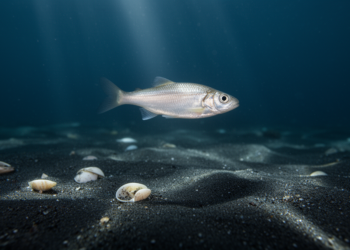
Fish ear stones preserved in deep-sea sediments reveal that ice cod and polar cod thrived near the North Pole during ...

New mitochondrial DNA analysis reveals that Bulgarian and Turkish long-fingered bat populations form a distinct genetic clade, reshaping our understanding ...
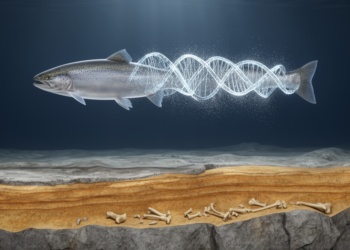
Genomes recovered from 18,000-year-old salmon vertebrae in a Spanish cave reveal that ancient Iberian salmon were genetically closer to British ...


Embark on a thrilling journey of discovery with Scienmag.com—your ultimate source for cutting-edge breakthroughs. Immerse yourself in a world where curiosity knows no limits and tomorrow’s possibilities become today’s reality!