

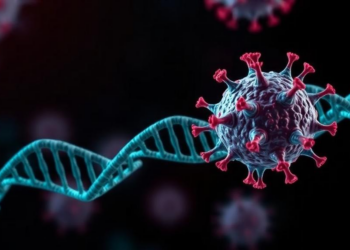
DNA Damage Response Drives PD-L1 Shield That Lets Aging Cells Evade Immune Clearance
A new review proposes that the DNA damage response drives PD-L1 upregulation in senescent cells, enabling immune evasion and creating ...
A new review proposes that the DNA damage response drives PD-L1 upregulation in senescent cells, enabling immune evasion and creating ...

The distinction between classical and nonclassical major histocompatibility complex class I molecules helps explain why HLA-G occupies such a unique ...

A machine learning analysis of inflammation and metabolism genes across seven lung adenocarcinoma cohorts identifies the calcium pump gene ATP2A2 ...
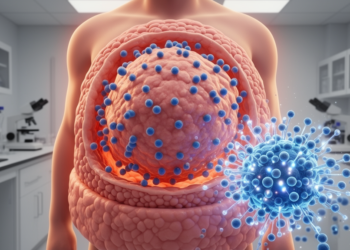
A new review explains why BCG immunotherapy fails in some bladder cancer patients and outlines emerging combination strategies designed to ...
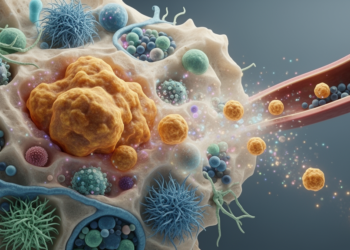
Osteosarcoma has long frustrated oncologists. It is the most common primary malignant bone tumor, striking hardest in adolescents, and while ...
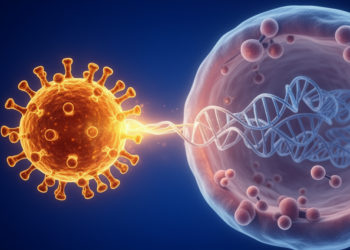
A new review synthesises molecular mechanisms of viral emergence across major virus families, arguing that receptor compatibility alone is insufficient ...
A new review describes how the RNA methyltransferase METTL5 and the detox enzyme MGST1 form a signaling axis that helps ...

A new study shows that activating the lipid sensor PPARδ in immune cells rather than cancer cells flips the metabolic ...

Researchers report that oncogenic KRAS reprograms adenosine metabolism through NT5E upregulation and ADA suppression, creating an immunosuppressive tumor microenvironment that ...

New research shows the chromatin organizer Satb1 enables regulatory T cells to promote tumor growth while remaining dispensable for preventing ...


Embark on a thrilling journey of discovery with Scienmag.com—your ultimate source for cutting-edge breakthroughs. Immerse yourself in a world where curiosity knows no limits and tomorrow’s possibilities become today’s reality!