


Sickle Cell Study Profiles Transcriptomic Shifts Linked to Hydroxyurea Therapy
Researchers profiled erythroid cells from sickle cell disease patients to map transcriptomic shifts linked to hydroxyurea treatment and disease pathways.
Researchers profiled erythroid cells from sickle cell disease patients to map transcriptomic shifts linked to hydroxyurea treatment and disease pathways.

A 27-month-old boy with extreme hyperleukocytosis and mild splenomegaly achieved early hematologic response following molecular diagnosis and imatinib therapy.

A targeted review of 23 empirical studies reveals that sickle cell disease imposes severe cumulative setbacks across every life stage, ...

Researchers have discovered that the phosphatase PPM1D promotes DNA replication fork restart by preventing excessive ATM-dependent signaling and nucleolytic degradation ...

Researchers have demonstrated that the non-IMiD small-molecule degrader SH6 reactivates fetal hemoglobin across erythroid cell lines, patient-derived primary cells, and ...

A cross-sectional investigation conducted at the University of Benin Teaching Hospital in Benin City, Edo State, Nigeria, has found that ...
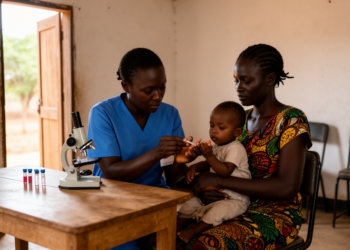
A national spatial analysis of 280 Ugandan health-facility catchments identified the highest-priority zones for strengthening essential sickle cell disease services, ...
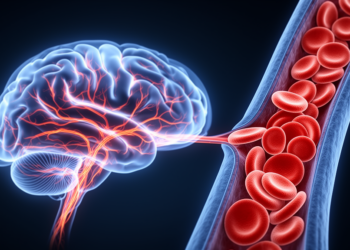
A systematic review of 58 studies finds that transfusion-based stroke prevention established by the STOP trials remains the cornerstone for ...

Patients with homozygous sickle cell disease who took hydroxyurea at two university hospitals in Conakry, Guinea, experienced significantly fewer vaso-occlusive ...

A decade-long REACH trial analysis across four African countries finds hydroxyurea does not raise infection risk in children with sickle ...


Embark on a thrilling journey of discovery with Scienmag.com—your ultimate source for cutting-edge breakthroughs. Immerse yourself in a world where curiosity knows no limits and tomorrow’s possibilities become today’s reality!