


Hazardous species need climate-style risk thinking, researchers argue
A new study argues that human harms from hazardous species should be managed as avoidable risks arising from the intersection ...
A new study argues that human harms from hazardous species should be managed as avoidable risks arising from the intersection ...

DNA from more than 350 fecal samples shows Singapore's long-tailed macaques split into eight matrilines whose plant diets and gut ...

A new research collection argues that the spatial arrangement of resources, disturbances, and human activity in cities is the key ...
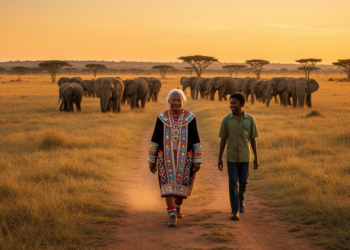
A new synthesis in Ecology and Evolution shows how the plural, contradictory values of Indigenous Peoples and Local Communities produce ...
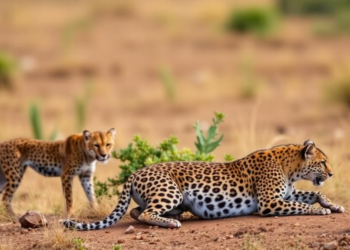
A five-year survey in southern Ethiopia's Sirso landscape documents 1,280 livestock killed by carnivores, US$118,167 in losses, and retaliatory killings ...
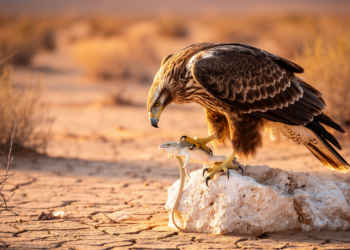
Nest camera data from India's Thar Desert show that the culturally revered short-toed snake eagle relies equally on desert lizards, ...
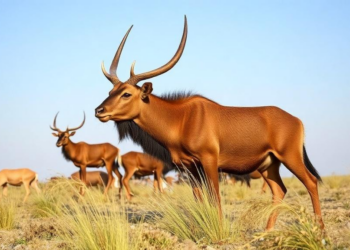
A study of 292 villagers around Iran's Golestan National Park finds that cognitive and social beliefs, not actual livestock losses, ...
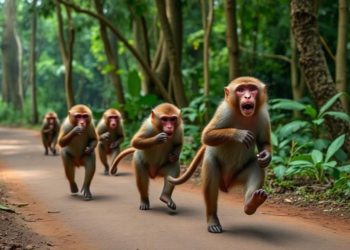
A new study maps the daily commute of endangered long-tailed macaques in the Philippines, showing they forage in the forest ...
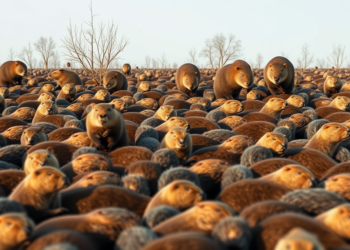
A new Beaver Futures Framework developed by Dutch researchers integrates positive and negative values of beavers to guide more inclusive ...

In the forested hills of Nagaland, a remote state in Northeast India nestled within the Eastern Himalayan biodiversity hotspot, scientists ...


Embark on a thrilling journey of discovery with Scienmag.com—your ultimate source for cutting-edge breakthroughs. Immerse yourself in a world where curiosity knows no limits and tomorrow’s possibilities become today’s reality!