


Experts Construct Evidence-Based Decision Aid Framework for Stroke Rehabilitation
Researchers have developed an evidence-based content framework to support stroke patients in making informed decisions about home-based exercise rehabilitation.
Researchers have developed an evidence-based content framework to support stroke patients in making informed decisions about home-based exercise rehabilitation.

A survey of 2,400 individuals across Japan found that middle-aged and older adults prefer independent exercise at home using familiar ...

Active users of the TrainAwayPain mobile application had 28 percent higher odds of attending musculoskeletal healthcare consultations within one year ...
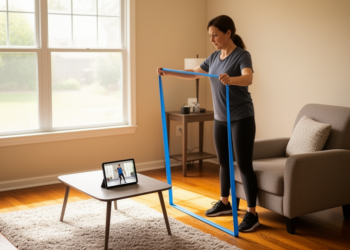
A systematic review and meta-analysis found telerehabilitation offered no greater improvements in physical function, balance, or quality of life than ...

A prospective observational study in Spain found no significant difference in time to clinical discharge between hybrid and in-clinic rehabilitation ...

A systematic review and meta-analysis of ten randomized controlled trials demonstrates that home-based exercise significantly improves cardiorespiratory fitness in cancer ...

A systematic review of nineteen randomized controlled trials indicates that home-based exercise reduces body mass index and may enhance quality ...

In a 26-week home exercise trial involving older adults, researchers found that baseline psychological differences in motivation and self-efficacy did ...

A 24-week home-based eye-movement training pilot study in 28 Japanese school-age children found improved eye-hand coordination and horizontal digit identification, ...
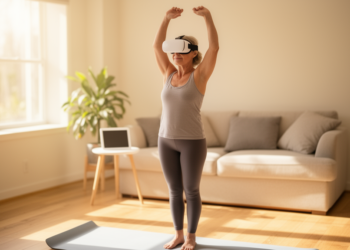
A Spanish research team has built NEOBIC-XR, a home-based virtual reality exercise platform with avatar embodiment features now being evaluated ...


Embark on a thrilling journey of discovery with Scienmag.com—your ultimate source for cutting-edge breakthroughs. Immerse yourself in a world where curiosity knows no limits and tomorrow’s possibilities become today’s reality!