

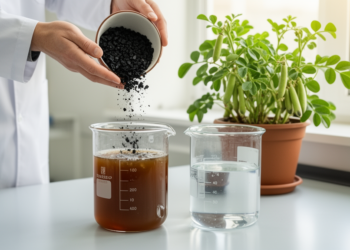
Rice Hull Biochar Strips Toxic Chromium from Tannery Wastewater and Boosts Chickpea Growth
A lab study found that biochar made from rice hulls removed 91% of hexavalent chromium from tannery effluent under optimized ...
A lab study found that biochar made from rice hulls removed 91% of hexavalent chromium from tannery effluent under optimized ...
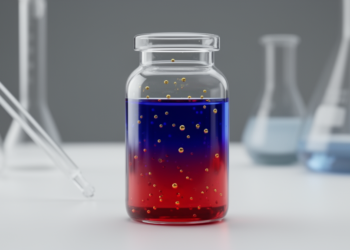
Researchers synthesized PVP-capped gold nanoparticles in one step with a plasma-under-liquid method and used their red-to-blue color change to detect ...
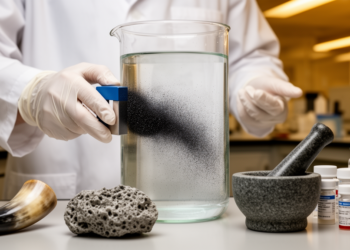
Researchers synthesized a magnetite-functionalized cow horn and pumice biocomposite that removed more than 99.8 percent of hexavalent chromium from aqueous ...
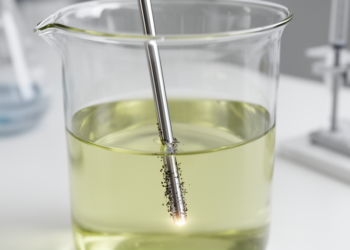
A new zinc oxide and carbon quantum dot heterostructure enables a single electrode to detect and remove toxic hexavalent chromium ...
Researchers transformed waste corn silk into a magnetically recoverable Fe3O4 composite that removes up to nearly 99 percent of hexavalent ...
A water-soluble polyaniline–sulfonated phenol formaldehyde composite detects hexavalent chromium and ferric iron at nanomolar levels via fluorescence quenching while also ...

A hierarchical Bayesian study of Ghana's Akora River finds that while median metal exposure from tilapia and catfish stays within ...

Researchers converted discarded bean husks into a low-cost biochar that removed up to 94.7% of lead and 91.5% of hexavalent ...

A new biopolymer composite membrane removes over 91% of carcinogenic chromate ions from water within 40 minutes and can be ...
An optimized electrochemical-Fenton process removed over 91 percent of hexavalent chromium and 96 percent of COD from real Indian tannery ...


Embark on a thrilling journey of discovery with Scienmag.com—your ultimate source for cutting-edge breakthroughs. Immerse yourself in a world where curiosity knows no limits and tomorrow’s possibilities become today’s reality!