


Magnetic Polyamino Acid Material Captures Carbon Dioxide and Removes Toxic Chromium
A novel magnetic polyamino acid adsorbent achieved high-capacity carbon dioxide capture alongside efficient hexavalent chromium removal from aqueous solutions.
A novel magnetic polyamino acid adsorbent achieved high-capacity carbon dioxide capture alongside efficient hexavalent chromium removal from aqueous solutions.

Researchers developed a radiation-grafted superporous hydrogel that removes toxic hexavalent chromium from aqueous streams with an experimental capacity of 540 ...

Researchers synthesized biochar from Chlorophyceae algae to remove toxic hexavalent chromium from water at low concentrations.

A coal fly ash-supported manganese-doped copper oxysulfide nanocomposite rapidly reduced organic dyes and hexavalent chromium under dark conditions using sodium ...

Researchers demonstrated that sulfuric-acid-treated water hyacinth root powder achieved over 97 percent removal of hexavalent chromium from synthetic aqueous solutions ...

Immobilizing Rhodococcus sp. BEI-13A on grape-waste biochar achieved an 18.55 percent hexavalent chromium decontamination efficiency under tested batch conditions.

A scientific review evaluates chromium contamination in agricultural systems, highlighting combined biological and physicochemical strategies as the most efficient approach ...

A 2026 study in Heliyon shows that pH is a decisive factor in hexavalent chromium adsorption, with activated carbons and ...

A magnetized kaolin–sheep wool composite adsorbent built from locally sourced kaolin and waste sheep wool achieved 99.97% removal of hexavalent ...
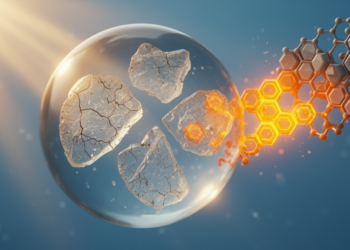
Laboratory experiments show that UV-aged polystyrene microplastics can reduce toxic hexavalent chromium through two distinct chemical pathways involving persistent free ...


Embark on a thrilling journey of discovery with Scienmag.com—your ultimate source for cutting-edge breakthroughs. Immerse yourself in a world where curiosity knows no limits and tomorrow’s possibilities become today’s reality!