

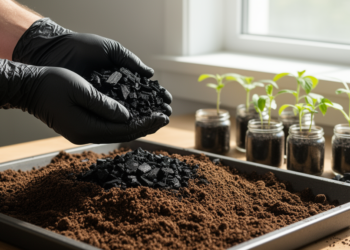
Feedstock choice decides how well biochar locks zinc and cadmium in polluted soil
A Chinese pot experiment found that wheat straw biochar immobilized soil zinc most effectively while peanut shell biochar best stabilized ...
A Chinese pot experiment found that wheat straw biochar immobilized soil zinc most effectively while peanut shell biochar best stabilized ...

Researchers combined a meta-analysis of 134 studies with adsorption and pot experiments to design a biochar from Chinese medicine residues ...
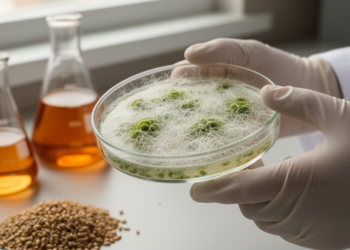
A new narrative review finds fungi can degrade or bind a broad range of chemical food contaminants, but applying mycoremediation ...
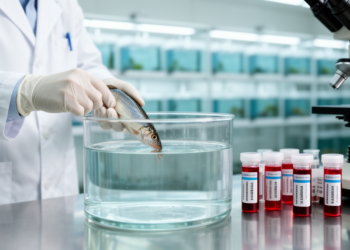
In a 60-day tank study, cadmium disrupted the blood and serum chemistry of silver carp more severely than cobalt or ...

A two-season field trial in a karst paddy in Southwest China shows biochar-based amendments cut rice grain cadmium by up ...
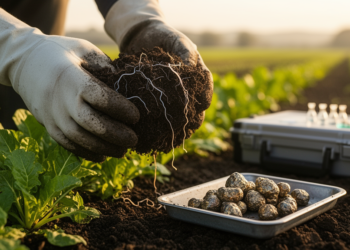
A new review proposes treating phytoremediation biomass as a resource for energy, fertilisers, and metals rather than waste.

A study of 31 groundwater sites in Tien Giang province found that while most samples met national groundwater standards and ...

A study of 38 paper samples from Dhaka found arsenic, lead, cadmium, and chromium in food-wrapping newspapers, magazines, and book ...

A study of Guanabara Bay dredged sediments found zinc in bioavailable forms exceeded Brazilian dredging thresholds after laboratory resuspension in ...

Fluoroquinolone antibiotics in paddy soils selectively promote antibiotic-tolerant sulfate-reducing bacteria, increasing microbial methylmercury production in experiments across 40 Chinese rice-growing ...


Embark on a thrilling journey of discovery with Scienmag.com—your ultimate source for cutting-edge breakthroughs. Immerse yourself in a world where curiosity knows no limits and tomorrow’s possibilities become today’s reality!