

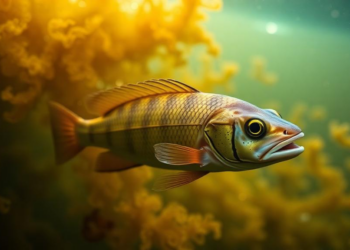
Counting Algae Is Not Enough: Gill-Toxic Potency Could Transform Fish-Kill Warnings
A new Perspective proposes replacing cell-count thresholds with a tiered, effect-based framework centred on waterborne gill-toxic potency to warn of ...
A new Perspective proposes replacing cell-count thresholds with a tiered, effect-based framework centred on waterborne gill-toxic potency to warn of ...

Researchers at The University of Hong Kong and Adelaide University argue in Nature Sustainability that marine heatwaves threaten human physical ...
A two-decade analysis of Batan Bay reveals shifting monsoon rainfall, localized nutrient hotspots, and persistent low oxygen near the seabed ...
New research shows that algicidal bacteria can kill, ignore or even promote green algae depending on whether glucose or sucrose ...
UC Santa Cruz researchers show that passive resin samplers detecting copepodamides, chemical alarm cues from grazing copepods, can forecast toxic ...
A 28-day mouse study shows that repeated low-dose ingestion of diarrhetic shellfish toxins causes cumulative gut, kidney and liver changes, ...
A new review outlines how visible-light-driven semiconductor photocatalysts generate reactive oxygen species that inactivate harmful algae and destroy cyanotoxins, while ...
A study of thirty Canadian ponds finds that nickel and nitrogen, rather than phosphorus alone, are the strongest predictors of ...
A recent study conducted by researchers Swanepoel and Janse van Vuuren has shed light on a pressing environmental issue in ...
In the vast and complex hydrological landscapes of the Lancang River Basin in China, a new study has brought to ...

Embark on a thrilling journey of discovery with Scienmag.com—your ultimate source for cutting-edge breakthroughs. Immerse yourself in a world where curiosity knows no limits and tomorrow’s possibilities become today’s reality!