

Life Cycle Assessments Reveal Bio-Lubricants Cut Carbon but Raise Other Environmental Costs
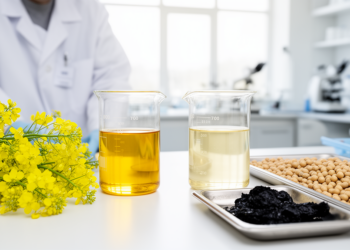
A new review finds soybean and rapeseed oil lubricants cut carbon footprints sharply versus mineral and synthetic oils, but farming ...
A new review finds soybean and rapeseed oil lubricants cut carbon footprints sharply versus mineral and synthetic oils, but farming ...

A new review maps how statistical and AI-based optimization, coupled with life cycle assessment, can balance strength, durability and carbon ...
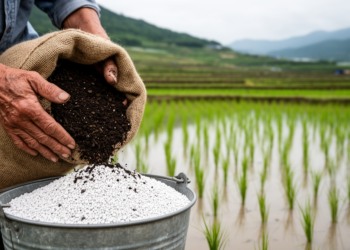
A one-season field trial in South Korea found that combining mineral fertilizer with compost raised methane and nitrous oxide emissions ...
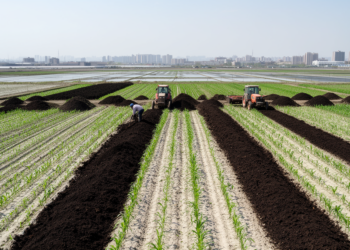
A two-season study within a long-term Beijing field experiment found that composted poultry manure increased soil carbon storage and reduced ...

A randomized field experiment in Inner Mongolia found that post-wheat green manure increased spring wheat yield, with hairy vetch combining ...

A new thermodynamic simulation study shows that LPG delivers higher efficiency and lower power consumption in a domestic refrigerator, while ...
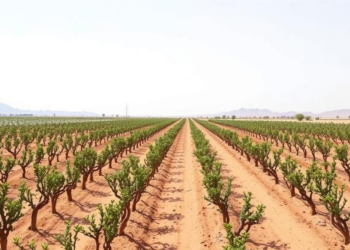
A two-year field experiment in Xinjiang shows that a moderate nitrogen rate of 280 kilograms per hectare minimizes the greenhouse ...

A performance-normalized life cycle assessment of five Australian waste clays shows calcined clays cut cement's carbon footprint by up to ...

A five-year field and laboratory study shows that incorporating half of the harvested rice straw boosts paddy soil fertility while ...

A systematic analysis of 40 concrete mixes shows that activators synthesized from waste glass and rice husk ash match commercial ...


Embark on a thrilling journey of discovery with Scienmag.com—your ultimate source for cutting-edge breakthroughs. Immerse yourself in a world where curiosity knows no limits and tomorrow’s possibilities become today’s reality!