


Virtual Reality Complexity Alters Gait Adaptations After Lower-Limb Amputation
A study finds individuals with lower-limb amputation demonstrate high tolerance and distinct gait adaptations as immersive virtual reality environments become ...
A study finds individuals with lower-limb amputation demonstrate high tolerance and distinct gait adaptations as immersive virtual reality environments become ...

A scoping review of 53 studies reveals that rigid ankle exoskeletons offer preliminary walking benefits but remain limited by a ...

Providing vertical body-weight support substantially reduces walking energy expenditure in children with cerebral palsy to levels comparable to typically developing ...

A systematic review indicates that robotic hip exoskeletons improve immediate gait parameters in controlled settings, though sustained clinical evidence remains ...

A randomized controlled pilot study demonstrated that eight weeks of powered exoskeleton training significantly reduced metabolic costs and cardiovascular strain ...

A systematic review and topic modeling study of 160 publications identified three primary clusters spanning cognitive care, motor rehabilitation, and ...

A preliminary Phase I trial demonstrated that the novel STEAM exercise rehabilitation program is feasible, safe, and acceptable for individuals ...

A pilot study found that personalized exoskeleton gait trajectories showed no significant comfort or naturalness advantages over standard patterns among ...
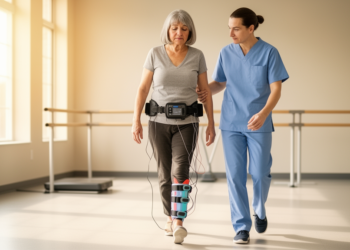
A retrospective case report describes an 18-week multichannel functional electrical stimulation rehabilitation program completed by a woman with secondary progressive ...
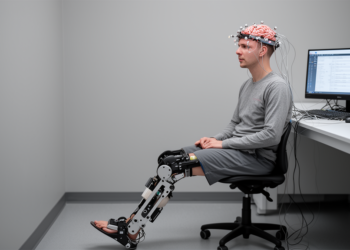
Researchers have shown that fNIRS brain imaging can decode ankle movements in healthy adults and impaired patients, paving the way ...


Embark on a thrilling journey of discovery with Scienmag.com—your ultimate source for cutting-edge breakthroughs. Immerse yourself in a world where curiosity knows no limits and tomorrow’s possibilities become today’s reality!