

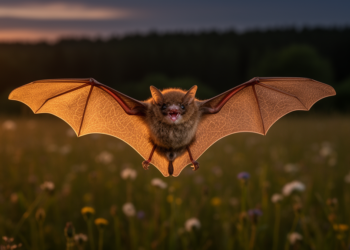
Bats Took Flight in Europe, Massive Genome and Fossil Study Finds
A landmark Bat1K study published in Nature combines genomes and fossils to show bats likely originated in Europe about 65 ...
A landmark Bat1K study published in Nature combines genomes and fossils to show bats likely originated in Europe about 65 ...
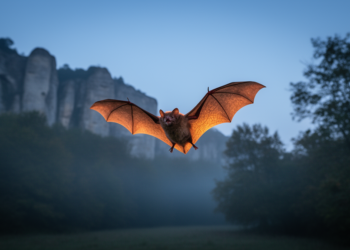
A landmark Nature study combining 103 bat genomes with 44 fossils indicates that bats most likely originated in Europe during ...

Titanium alloys have long been the material of choice for high-performance aerospace and medical applications, prized for their exceptional strength-to-weight ...
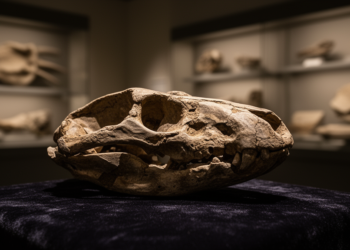
The vertebrate skull is one of the most intricate and versatile anatomical structures in the animal kingdom, serving critical functions ...

New research shows that bursts of transposable element activity in ant genomes after the dinosaur extinction fueled the chemical communication ...
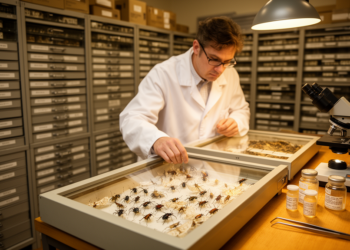
New research from the University of New South Wales reveals that scientific bias leads to the neglect of most species, ...

A five-year survey across Chinese forests uncovered eight new spider-pathogenic fungal species and, using a 648-strain molecular clock, traced the ...

A newly described Xylopia species from the Amazon Basin sheds light on the rare evolution of trunk-borne flowers, which scientists ...

Deep inside the skulls of some of the earliest rodents ever to scurry across Asia, a hidden record of brain ...
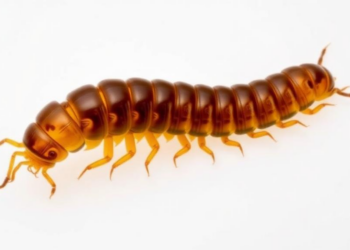
A 98-million-year-old millipede preserved in Myanmar amber has been identified as the first fossil member of the rare sucking millipede ...


Embark on a thrilling journey of discovery with Scienmag.com—your ultimate source for cutting-edge breakthroughs. Immerse yourself in a world where curiosity knows no limits and tomorrow’s possibilities become today’s reality!