

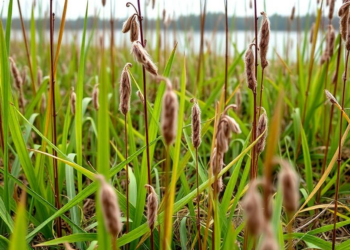
Nutrient-Loving, Warmth-Seeking Plants Drive Riverbank Invasions in Eastern Poland
A study of two lowland rivers in eastern Poland shows that invasive alien plants are significantly more likely to be ...
A study of two lowland rivers in eastern Poland shows that invasive alien plants are significantly more likely to be ...

A four-season, 62-site study of Nansi Lake reveals strong survey-specific swings in nitrogen, phosphorus, and organic pollution across China's key ...
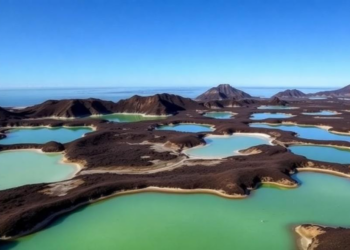
A year-round study of three crater lakes on Flores Island in the Azores shows that microbial communities and seasonal lake ...

Sedimentary ancient DNA from Lake Daihai in northern China reveals that microbial community structure evolved nearly ten times faster than ...
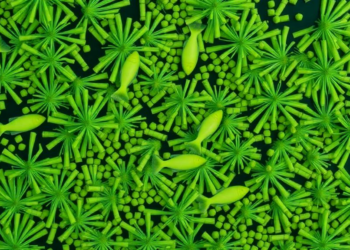
New research shows the microalgae Nannochloropsis oculata and Chlorella vulgaris can remove more than 70 percent of ammonia nitrogen from ...

A two-decade analysis of Batan Bay reveals shifting monsoon rainfall, localized nutrient hotspots, and persistent low oxygen near the seabed ...

Sediment core analysis of three Halifax lakes shows that the most severe ecological changes occurred before 1900, during land clearance, ...

A field study along a tropical nutrient and sulfide gradient shows that seagrasses reconfigure root exudates and compartmentalize microbial functions ...

Researchers have created a biochar-laterite-bentonite composite that removes phosphorus from water efficiently without rare-earth or heavy-metal modifications.
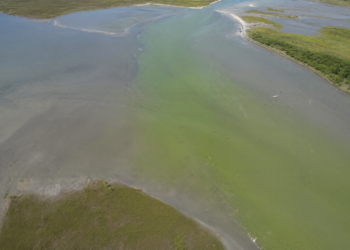
A new study led by Washington State University maps where human activities drive harmful nutrient levels in coastal waters, finding ...


Embark on a thrilling journey of discovery with Scienmag.com—your ultimate source for cutting-edge breakthroughs. Immerse yourself in a world where curiosity knows no limits and tomorrow’s possibilities become today’s reality!