

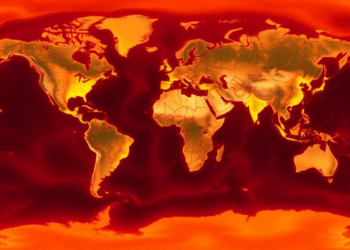
Global dataset maps how heat makes the ground beneath GPS stations breathe
A new global dataset quantifies temperature-driven ground motion beneath approximately 14,000 GNSS stations from 2000 to 2023, offering millimetre-level corrections ...
A new global dataset quantifies temperature-driven ground motion beneath approximately 14,000 GNSS stations from 2000 to 2023, offering millimetre-level corrections ...

A new benchmark across three Luxembourg flood events shows AI weather models excel at light rain and temperature but lose ...

A 30-year analysis of thunderstorms over Khanaqin, Iraq, shows that jet stream dynamics and upper-level troughs, rather than convective energy ...
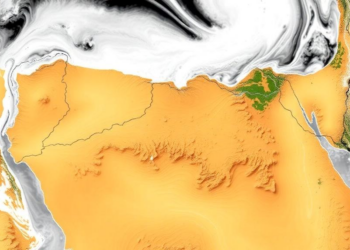
A new study tested five satellite and reanalysis rainfall products against 23 Egyptian rain gauges and used deep neural networks ...
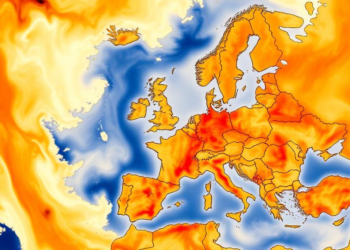
An unsupervised machine learning analysis of ERA5 reanalysis data shows that Western European heatwaves are undergoing structural shifts in their ...

A new Buoyancy Work Rate index couples atmospheric instability with vertical motion to explain why some El Niño years flood ...
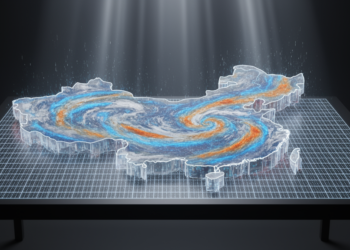
Researchers have adapted a generative diffusion model to downscale coarse global forecasts into 3 km regional predictions across China, outperforming ...

An explainable AI framework has quantified how atmospheric circulation, soil moisture, and rising CO2 each contribute to summer heat extremes ...

Researchers in Ecuador found that using wind speeds from upper atmospheric levels of the ERA5 reanalysis, rather than conventional near-ground ...

A new likelihood ratio test that compares climate models with observations without assuming equal noise variances finds that most CMIP6 ...


Embark on a thrilling journey of discovery with Scienmag.com—your ultimate source for cutting-edge breakthroughs. Immerse yourself in a world where curiosity knows no limits and tomorrow’s possibilities become today’s reality!