

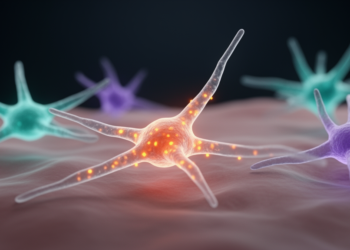
Fibroblasts That Show Tumors’ IDs May Be Shapeshifters, Not Fixed Subtypes
A new perspective argues that antigen-presenting fibroblasts in gastrointestinal tumors are reversible states whose immune role depends on unmeasured co-stimulatory ...
A new perspective argues that antigen-presenting fibroblasts in gastrointestinal tumors are reversible states whose immune role depends on unmeasured co-stimulatory ...

A new review in Epigenetics & Chromatin argues that incomplete epigenetic reprogramming remains the main barrier to efficient mammalian cloning ...

A new review outlines how drug-tolerant persister cells hidden within minimal residual disease drive cancer relapse and how pathway inhibitors, ...
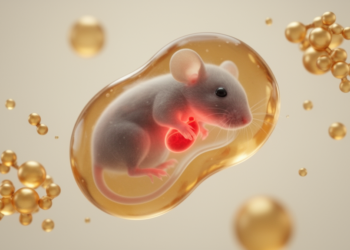
A new review synthesizes evidence that maternal high-fat diet before and during pregnancy may program offspring coronary artery disease risk ...
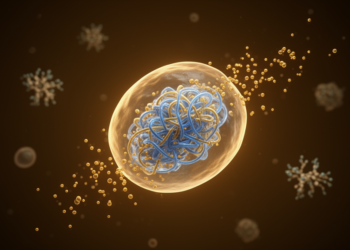
A new research topic in Frontiers in Cell and Developmental Biology brings together studies on zygotic genome activation, epigenetic reprogramming, ...
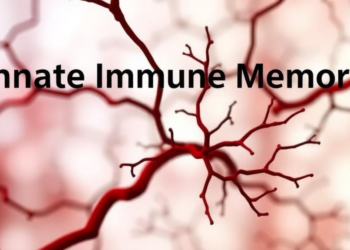
A new review in the Journal of Molecular Medicine explains how trained immunity, driven by epigenetic and metabolic reprogramming of ...
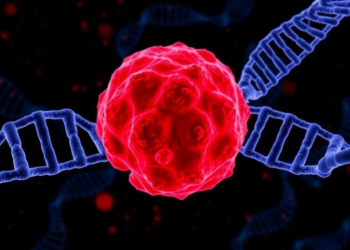
A paired-sample study of 38 melanoma patients reveals that metastases undergo coordinated DNA methylation reprogramming largely independent of driver mutations, ...

A comprehensive review in Cell Death Discovery maps how the transcription factor Snail2 governs partial epithelial-mesenchymal transition, driving both embryonic ...
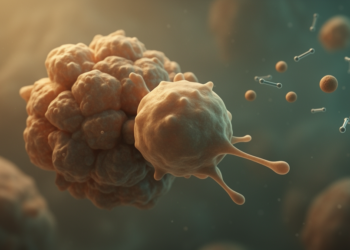
A new review explains how tumor cells reversibly switch identities through epigenetic and microenvironmental programs, driving metastasis and therapy resistance.
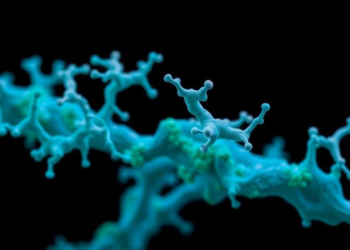
A sweeping new review maps how the epithelial guardian protein MUC1, and especially its MUC1-C signaling subunit, is hijacked by ...


Embark on a thrilling journey of discovery with Scienmag.com—your ultimate source for cutting-edge breakthroughs. Immerse yourself in a world where curiosity knows no limits and tomorrow’s possibilities become today’s reality!