

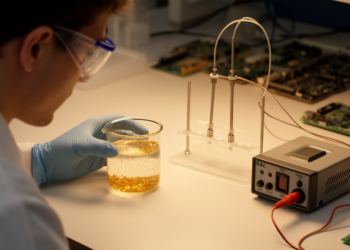
Gold Recovered from Electronic Waste Using Only Salt Water and AC Electrolysis
Researchers report an acid-free bipolar AC electrolysis method that converts gold from electronic waste into chloroauric acid in salt solution, ...
Researchers report an acid-free bipolar AC electrolysis method that converts gold from electronic waste into chloroauric acid in salt solution, ...
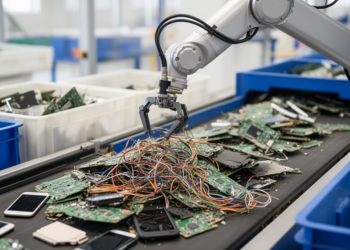
Researchers report a test-time fine-tuning approach that adapts large-scale vision foundation models to segment electronic waste, cutting end-to-end processing time ...
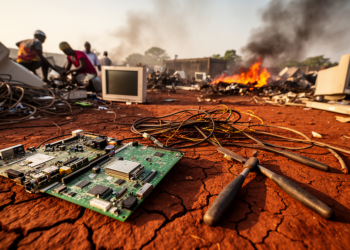
An abstract of a wet- and dry-season soil study in Greater Accra, Ghana, reports 34 risk elements at electronic-waste sites, ...
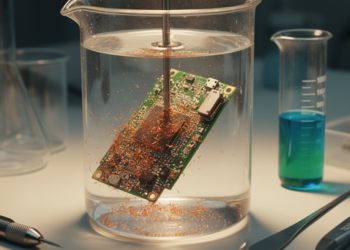
A laboratory study found that a betaine-based natural deep eutectic solvent removed more than 99% of copper and lead from ...
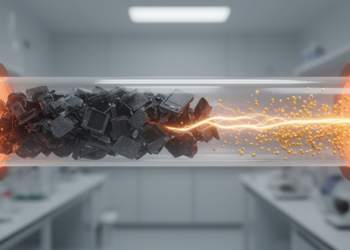
Rice University researchers have developed isothermal-clamped flash Joule heating, a seconds-long electrothermal process that recovers roughly 90 percent of antimony ...
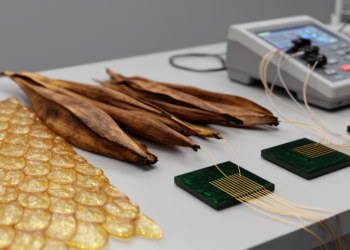
Researchers in India coated banana bracts, fish scales, and paper with a newly soluble polyaniline to build room-temperature, biodegradable gas ...
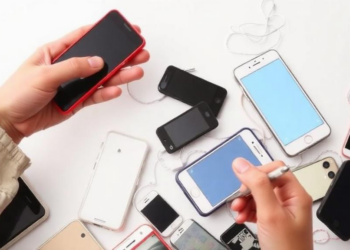
A large Hungarian study of over 8,000 student responses found that e-waste lessons in primary schools were associated with slightly ...
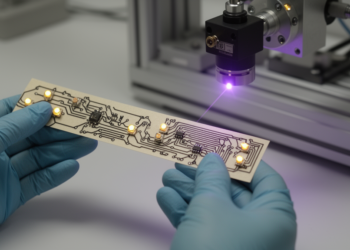
Researchers at the National University of Singapore have converted ordinary lignin-rich kraft paper into flexible, stretchable electronic circuits by writing ...
Researchers have printed a flexible artificial synapse from room-temperature liquid inks that switches in 26 nanoseconds, recognizes handwritten digits with ...
The EU-funded DiCE project has completed a four-year effort showing how digital healthcare devices can be redesigned, collected and recycled ...


Embark on a thrilling journey of discovery with Scienmag.com—your ultimate source for cutting-edge breakthroughs. Immerse yourself in a world where curiosity knows no limits and tomorrow’s possibilities become today’s reality!