

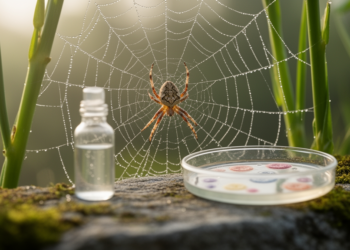
Glyphosate Weakens Spider Hunting Skills, but Antibiotics Reveal a Hidden Role for Microbes
A laboratory study finds that a field-rate glyphosate-based herbicide reduces the prey capture rate of Pardosa wolf spiders, and that ...
A laboratory study finds that a field-rate glyphosate-based herbicide reduces the prey capture rate of Pardosa wolf spiders, and that ...
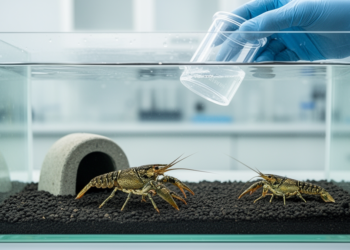
A 96-hour laboratory study found increased movement in marbled crayfish exposed to environmentally relevant carbamazepine, but no detected changes after ...
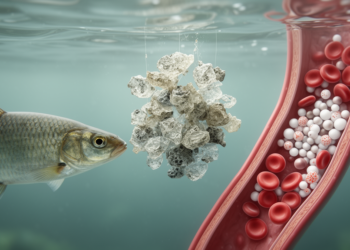
A rainbow trout experiment associated PLA microplastic exposure with blood-cell changes, with different immune-related responses after simulated sunlight aging.
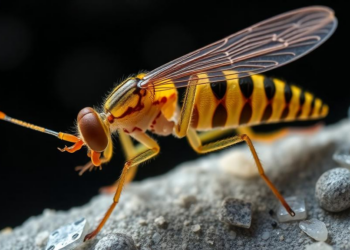
A controlled comparison found that direct PCR and conventional DNA extraction produced broadly comparable chironomid community compositions, although direct PCR ...
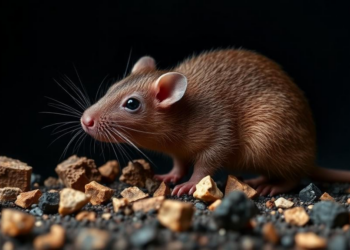
A new review highlights how natural zeolite minerals such as clinoptilolite can dramatically reduce lead and cadmium burdens in laboratory ...
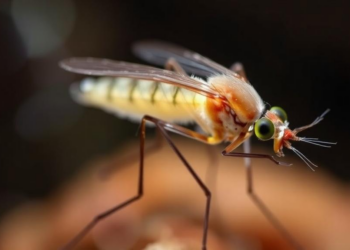
A new zebrafish study finds that the WHO-approved mosquito larvicide pyriproxyfen disrupts the thyroid axis and damages kidney tubules in ...

Nanoparticles are now everywhere in modern life, from sunscreens and medicines to farm fertilisers and water filters, and a major ...
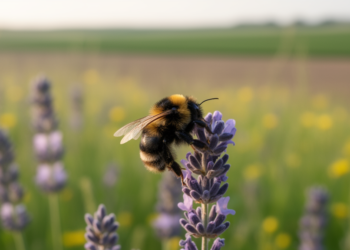
A systematic review of 52 studies reveals that neonicotinoid insecticides impair bumblebee foraging, learning, memory, and reproduction at sublethal doses, ...

A new dynamic model in the ALMaSS framework simulates pesticide amounts across a 10 by 10 km landscape at one ...

A new study shows chronic imidacloprid exposure disrupts courtship, hormones, and DNA in Japanese quails, offering behavioral early warnings of ...


Embark on a thrilling journey of discovery with Scienmag.com—your ultimate source for cutting-edge breakthroughs. Immerse yourself in a world where curiosity knows no limits and tomorrow’s possibilities become today’s reality!