

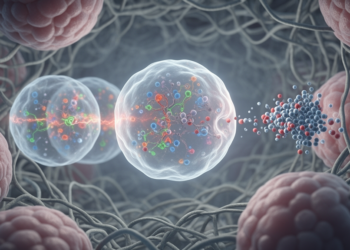
4D virtual cells model drug responses in human cancer cells
Two virtual-cell approaches tested in human cancer-cell cultures used 4D microscopy to model mitochondrial responses to drugs, without demonstrating clinical ...
Two virtual-cell approaches tested in human cancer-cell cultures used 4D microscopy to model mitochondrial responses to drugs, without demonstrating clinical ...

A transparent 3D Cell Painting method revealed that two cancer drugs with similar effects in flat cultures diverged inside minispheres ...
A new review highlights how patient-derived 3D cancer spheroids could transform precision oncology by recreating tumor architecture, drug resistance, and ...
Cardiac fibrosis has long been viewed as one of the most stubborn problems in cardiovascular medicine, largely because the cells ...
A clonal DNA barcoding platform pools organoids from many colorectal cancer patients in one dish, tracking drug sensitivity through barcode ...
Researchers in Berlin have developed an automated calcium imaging pipeline that detects and quantifies activity across tens of thousands of ...
A new perspective highlights that while 3D bioprinted melanoma models closely mimic real tumors, outdated two-dimensional analysis methods are undermining ...
A new review highlights how microelectrode arrays can simultaneously track electrical, contractile and structural signs of cardiotoxicity in cancer therapy ...
A PLOS Biology Perspective argues that immune and vascular cells, especially microglia, must be core components of neural organoids used ...
Physicians warn that decades-old immunoassay-based urine drug tests routinely produce false results that mislead clinicians and harm patients, calling for ...

Embark on a thrilling journey of discovery with Scienmag.com—your ultimate source for cutting-edge breakthroughs. Immerse yourself in a world where curiosity knows no limits and tomorrow’s possibilities become today’s reality!