


Targeting PGAM5-Drp1 Axis Alleviates Pancreatic Damage in Severe Acute Pancreatitis
Targeting the PGAM5–Drp1 pathway suppresses mitochondrial fission and acinar cell necroptosis to alleviate tissue injury in severe acute pancreatitis models.
Targeting the PGAM5–Drp1 pathway suppresses mitochondrial fission and acinar cell necroptosis to alleviate tissue injury in severe acute pancreatitis models.

A study in middle-aged mice demonstrates that neuronal Drp1 deficiency accelerates hippocampal neurodegeneration, synaptic loss, and memory impairment.

Researchers report that estradiol activates PDK4 in bone marrow stem cells, which phosphorylates MYH9 to recruit DRP1 and drive the ...

A new review details how tumor cells import, export and steal mitochondria through nanotubes and vesicles to fuel growth, exhaust ...

A cell-culture study reports that a mitochondria-targeting molecule, PNA-TPP, was associated with Drp1-related mitochondrial dysfunction, weakened stem-like phenotypes and an ...
A new review argues mitochondria act as mechanometabolic conductors of cancer metastasis while warning that shared peroxisomal machinery complicates drug ...
A cell study finds that olanzapine fragments mitochondria and blunts insulin responses in rat skeletal muscle cells, but blocking the ...
Calcific aortic valve disease affects more than a quarter of people over the age of 65, yet no drug has ...
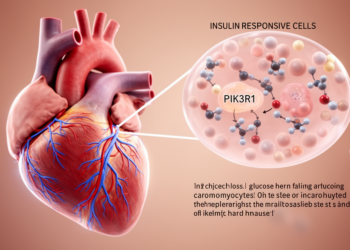
Cardiomyocyte-specific PIK3R1 deletion improved heart function, mitochondrial balance and ferroptosis-related measures in male mice with diabetic cardiomyopathy, while increased PI3K/Akt/Nrf2 ...
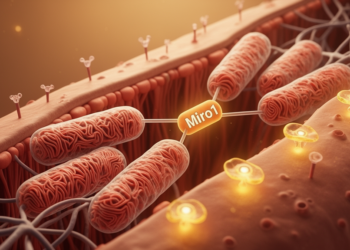
Researchers report that the mitochondrial protein Miro1 accumulates in the skeletal muscle of patients with type 2 diabetes, driven by ...


Embark on a thrilling journey of discovery with Scienmag.com—your ultimate source for cutting-edge breakthroughs. Immerse yourself in a world where curiosity knows no limits and tomorrow’s possibilities become today’s reality!