

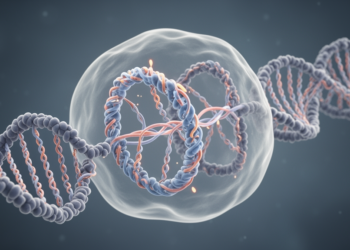
Cohesin reorganizes stressed DNA replication sites to protect genome stability
An experimental cell study finds that cohesin rapidly reorganizes stressed DNA replication sites and suppresses an error-prone restart pathway, helping ...
An experimental cell study finds that cohesin rapidly reorganizes stressed DNA replication sites and suppresses an error-prone restart pathway, helping ...
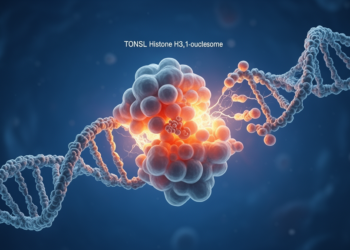
A University of Ottawa-led cell study found that TONSL recognizes chemical modifications on histone H3.1 to coordinate DNA repair and ...
A comprehensive review in Cellular and Molecular Life Sciences maps how single ubiquitin marks on non-histone proteins regulate DNA repair, ...
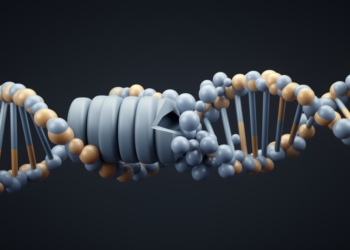
Repair of damaged DNA is a complex process, particularly when it is compacted into nucleosomes. There are a number of ...
A new critical review in Molecular Biology Reports systematically compares the biochemical, cellular, and genome-wide assays used to measure nucleotide ...
A comprehensive chemogenomic map of the DNA damage response reveals that peroxiredoxin 1 safeguards cells against iron-driven oxidative DNA damage.
A new hypothesis proposes that prolonged environmental stress in the ancient southern Levant transiently relaxed DNA repair constraints in one ...
Every time a human cell divides, it must copy roughly six billion letters of DNA—a feat accomplished by molecular machines ...
A wound that heals imperfectly leaves a scar. In the genome, the equivalent scar is a mutation: a permanent alteration ...

In a groundbreaking development at the intersection of genomics and artificial intelligence, a team of scientists has unveiled a novel ...


Embark on a thrilling journey of discovery with Scienmag.com—your ultimate source for cutting-edge breakthroughs. Immerse yourself in a world where curiosity knows no limits and tomorrow’s possibilities become today’s reality!