


Crime scientists rarely ask residents: new analysis shows community voices are missing from hotspot research
A content analysis of 212 Crime Science articles found only 1.9 percent included community residents, while three Newark case studies ...
A content analysis of 212 Crime Science articles found only 1.9 percent included community residents, while three Newark case studies ...

Researchers propose eight principles, grounded in states and activities, to bring systematic rigour to how crime scripts are built and ...

A Bayesian Cox–Hawkes model of 2,087 Chicago homicides finds persistent background risk and self-excitation each account for roughly half of ...
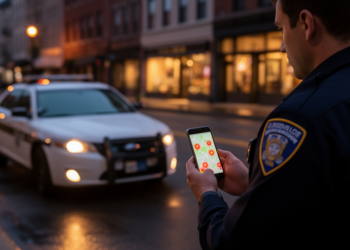
A randomised crossover trial in Thames Valley Police found that a mobile phone application dramatically increased hotspot patrols but produced ...
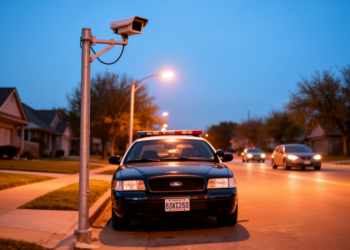
A new analysis argues that the cost-effectiveness of automatic license plate readers in policing cannot be established without evidence-based deployment ...

A survey of 251 Japanese young adults found shared and sex-specific social representations of adult video benefits and harms, with ...
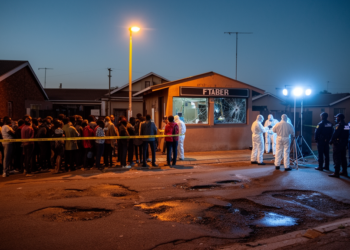
A new Frontiers in Political Science analysis argues that Gauteng's recurring mass shootings stem from simultaneous failures of regulatory, spatial, ...

A new analysis of nearly 300,000 street segments across 12 U.S. cities shows that the effects of neighborhood disadvantage and ...

A new theoretical framework proposes that non-offending during real criminal opportunities can be explained by five distinct categories of restraint ...
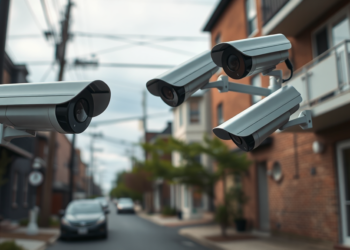
A new study of Washington, D.C. finds that CCTV cameras reduce crime unevenly, working best in low-poverty, renter-heavy and commercial ...


Embark on a thrilling journey of discovery with Scienmag.com—your ultimate source for cutting-edge breakthroughs. Immerse yourself in a world where curiosity knows no limits and tomorrow’s possibilities become today’s reality!