

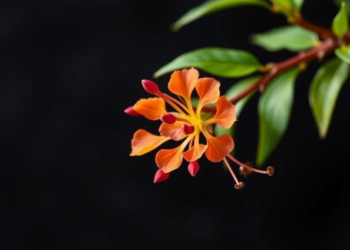
Computational study ranks Andrographis diterpenoids at the PCSK9–LDLR interface
A computational study of six Andrographis paniculata diterpenoids found that andrograpanin, though not the top docking scorer, engaged the broadest ...
A computational study of six Andrographis paniculata diterpenoids found that andrograpanin, though not the top docking scorer, engaged the broadest ...

A computational study predicts that Warburgia ugandensis phytochemicals, led by quercetin, kaempferol and bemadienolide, may bind key colorectal cancer signaling ...

An entirely computational study reports designed 2-(3-methoxyphenoxy)-N-methylacetamide analogs that bind the tuberculosis regulator EthR more tightly than a reference inhibitor ...
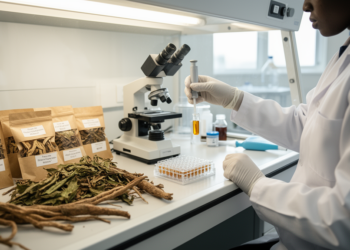
Crude extracts of the Kenyan plant Croton kinondoensis inhibited HSV-1 in Vero E6 cells, with computational screening pointing to candidate ...
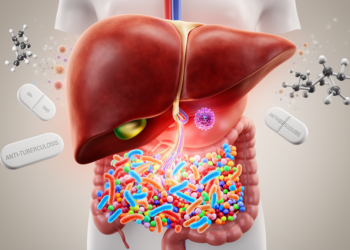
A network-pharmacology study identifies candidate gut microbial metabolites and six core targets that may help explain immune-metabolic pathways associated with ...
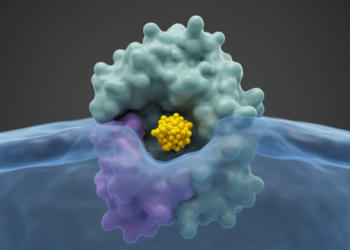
A multi-method computational screen identified naringenin as the strongest candidate for binding the human CXCR4 receptor, although laboratory and animal ...
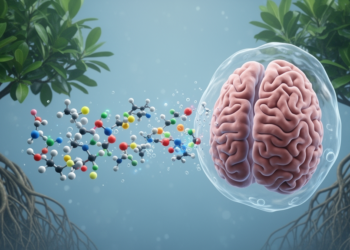
An in silico study of 14 mangrove phytochemicals prioritized cyclohexane-1,2,3,4,5,6-hexaol for further laboratory testing against the lung-cancer-associated proteins Keap1 and ...
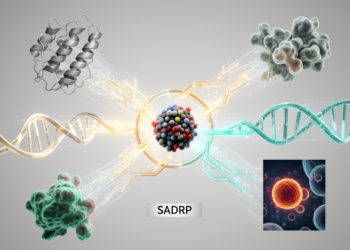
SADRP combines drug topology, chemical-bond information, gene expression and DNA methylation to predict drug sensitivity across cancer cell lines.
Researchers redesigned 52 derivatives of the failed Alzheimer's drug simufilam to target PTP1B, a key enzyme in neuroinflammation, with lead ...
Computational screening of four halogenated quinoline derivatives identifies QNL1 and QNL3 as promising oral drug candidates against tuberculosis, E. coli, ...


Embark on a thrilling journey of discovery with Scienmag.com—your ultimate source for cutting-edge breakthroughs. Immerse yourself in a world where curiosity knows no limits and tomorrow’s possibilities become today’s reality!