


Scientists Decode How pH Flips Peptide Shapes Using Mechanical Forces and Molecular Dynamics
Researchers have extended a mechanical-forces calculation method to predict how changing pH reshapes a beta-hairpin peptide by remodeling its network ...
Researchers have extended a mechanical-forces calculation method to predict how changing pH reshapes a beta-hairpin peptide by remodeling its network ...
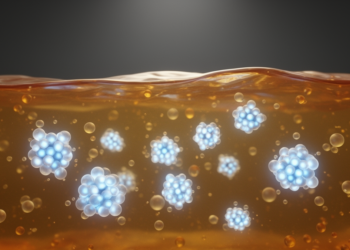
Machine-learning simulations validated by solid-state NMR spectroscopy reveal that lithium ions form anion-free multi-ion clusters in battery electrolytes, and that ...

University of Pittsburgh researchers have developed a diagnostic-guided method that makes gold-standard coupled cluster calculations fast and accurate for strongly ...
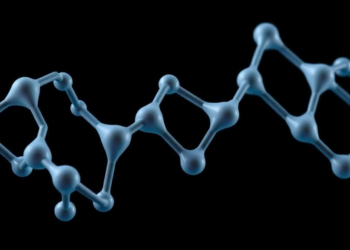
A new deep learning architecture called Hessian Interatomic Potentials predicts the full molecular Hessian directly, delivering one to two orders ...

A new DFT study shows that carboxyl-functionalized single-walled carbon nanotubes bind the tuberculosis drug isoniazid far more strongly than pristine ...

University of Surrey researchers used quantum simulations to show that the different nuclear spins of lithium-6 and lithium-7 could alter ...

Computational simulations show that the common dye quinizarin binds lithium ions strongly, spontaneously and exothermically in water, making it a ...
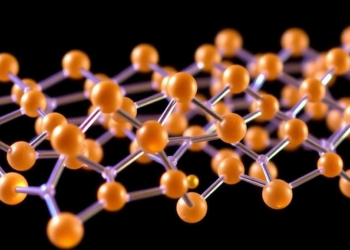
Quantum chemical simulations identify a dinitro-substituted naphthalene chromophore with a record-low energy gap and exciton binding energy as a leading ...

A density functional theory study of seven chrysene-based molecules identifies the computational methods and structural design rules needed to create ...

A new computational Perspective argues that flavonoids, exemplified by the soy isoflavone daidzein, are a largely untapped and rationally designable ...


Embark on a thrilling journey of discovery with Scienmag.com—your ultimate source for cutting-edge breakthroughs. Immerse yourself in a world where curiosity knows no limits and tomorrow’s possibilities become today’s reality!