


Systematic review maps AI robotics advances and persistent challenges
A PRISMA-based systematic review of 119 studies from 2018 to 2026 maps AI and robotics applications across industries, alongside challenges ...
A PRISMA-based systematic review of 119 studies from 2018 to 2026 maps AI and robotics applications across industries, alongside challenges ...

A hospital pilot found a ROS 2-based robotic rehabilitation platform technically flawless yet rated only moderately usable by physiotherapists, with ...
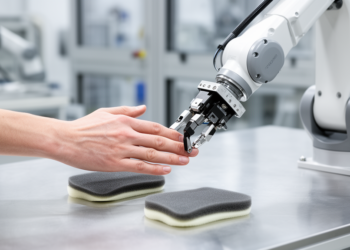
Researchers at the University of Twente argue that mechanical energy, not force alone, should organize how the ISO/TS 15066 standard ...
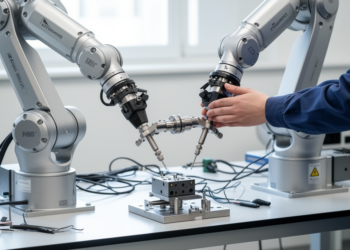
A study of 15 volunteers found that strongly coupling two robot arms during kinesthetic teaching cut mean task time by ...
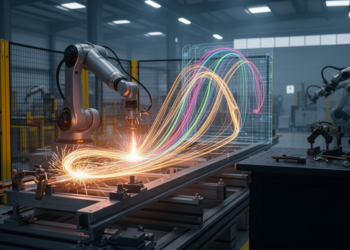
A multi-objective reinforcement-learning system reduced cobot trajectory error, collisions, cycle time, and energy use in a controlled simulation benchmark, while ...
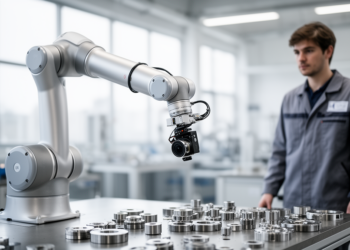
A new review maps how advances in computer vision, vision language models and reinforcement learning could enable collaborative robots to ...

A new review argues that human-centric digital twins must deliver measurable benefits to factory workers in safety, ergonomics and wellbeing, ...
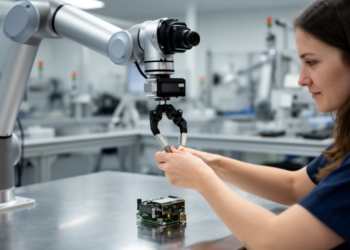
The distinction between assessment and control is central to understanding why this framework represents a meaningful step forward for collaborative ...
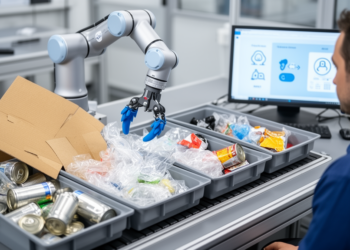
Researchers in Serbia have built and validated a modular collaborative robotic workstation that combines foundation-model perception with safe human-robot collaboration ...
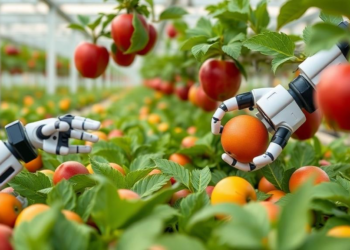
A new RGB-D perception-to-action framework called E-YOLOv11-RGBD raised robotic greenhouse harvesting success from 51.7 to 92.5 percent by converting AI ...


Embark on a thrilling journey of discovery with Scienmag.com—your ultimate source for cutting-edge breakthroughs. Immerse yourself in a world where curiosity knows no limits and tomorrow’s possibilities become today’s reality!