

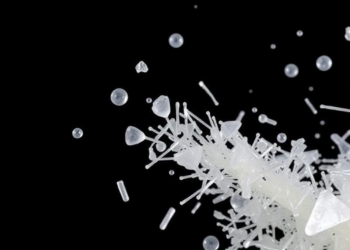
Plastic Fluff That Eats Plastic: Recycled Polymer Filters Snare Microplastics and Then Get a Second Job
Researchers at the University of Palermo have created porous filters from recycled polypropylene and PET that capture over 96 percent ...
Researchers at the University of Palermo have created porous filters from recycled polypropylene and PET that capture over 96 percent ...

Researchers have converted post-consumer surgical mask and gown waste into high-performance polypropylene nanocomposites using a dual-step process with carbon nanotubes ...

New research argues that circular economy strategies can strengthen resilience to known disruptions while simultaneously eroding the system options needed ...

New experiments show that columns built around salvaged concrete components, with nearly half their volume made of recycled material, can ...

A field study in Ukraine shows that fertilizer made from sunflower husk ash, a by-product of biomass energy production, raised ...
A new review details how agricultural waste, food scraps, and other biomass can be converted into high-performance porous carbon electrodes ...

Scientists have shown that a metal-resistant bacterium in a microbial fuel cell can redistribute rhodium from untreated spent car catalyst, ...

A modular life cycle assessment of Japan's used-vehicle exports shows that climate benefits depend decisively on destination recycling capacity and ...

Researchers in India have shown that zinc oxide-coated iron electrodes can remove over ninety percent of organic pollutants from paper ...
A new review shows that hydroxyapatite synthesized from eggshells, bones, and other waste can stabilize fermenter microbes and boost sustainable ...


Embark on a thrilling journey of discovery with Scienmag.com—your ultimate source for cutting-edge breakthroughs. Immerse yourself in a world where curiosity knows no limits and tomorrow’s possibilities become today’s reality!