


Hospital sewers are hotspots where antibiotics actively breed resistant bacteria
A study of Swedish hospitals shows that ciprofloxacin and cefotaxime in hospital wastewater actively select for antibiotic-resistant bacteria in sewer ...
A study of Swedish hospitals shows that ciprofloxacin and cefotaxime in hospital wastewater actively select for antibiotic-resistant bacteria in sewer ...
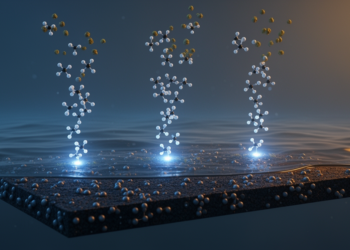
An asymmetrically coordinated zinc single-atom catalyst degrades antibiotics in water while converting the pollutants' own electrons into hydrogen peroxide.
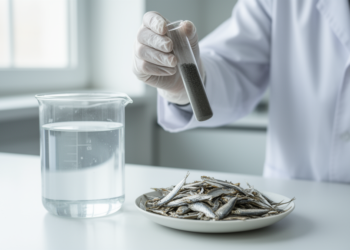
A carbon/apatite composite made from Nile tilapia fish scales removed the antibiotic ciprofloxacin from aqueous solutions with an experimental capacity ...
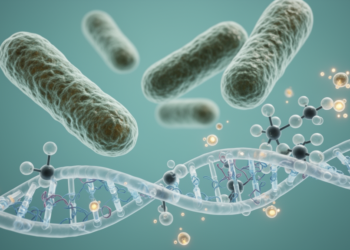
A toxin-antitoxin system that helps Mycobacterium abscessus survive frontline antibiotics leaves the bacterium vulnerable to drugs targeting DNA replication and ...
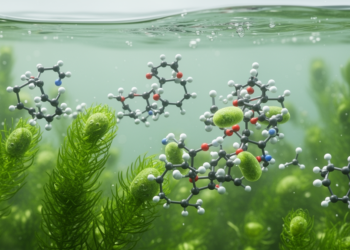
A laboratory study found that ciprofloxacin complexed with iron, cobalt, nickel, or copper inhibits freshwater algal growth more strongly than ...
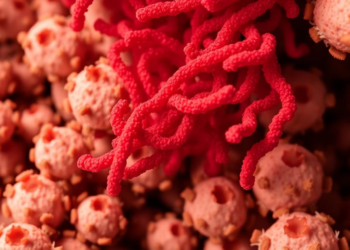
A lipid extract from the red microalga Porphyridium purpureum showed no antibacterial activity alone but synergistically enhanced ciprofloxacin against Salmonella ...

Researchers in India have developed an electrospun PVDF membrane loaded with carbon quantum dots and titanium dioxide that removes 74.4 ...

PLOS One has retracted a 2023 study on tea- and oregano-derived zinc oxide and aluminum oxide nanoparticles after overlapping figures ...
A six-year analysis of over 10,000 pediatric urine isolates at a Turkish tertiary hospital finds ciprofloxacin resistance in E. coli ...
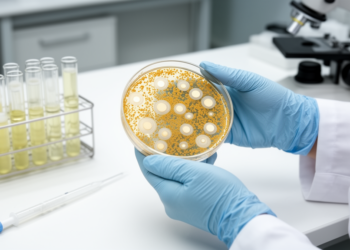
Chemists have fused nitrofuran groups onto ciprofloxacin to create hybrid antibiotics up to sixteen times more potent than the original ...


Embark on a thrilling journey of discovery with Scienmag.com—your ultimate source for cutting-edge breakthroughs. Immerse yourself in a world where curiosity knows no limits and tomorrow’s possibilities become today’s reality!