

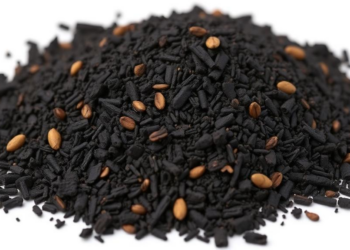
Waste-Derived Biochar Supercharges Rice Defenses Against Toxic Chromium
A potassium ferrate-modified biochar made from sugarcane waste cut chromium in rice grains by 95.2 percent in a 120-day pot ...
A potassium ferrate-modified biochar made from sugarcane waste cut chromium in rice grains by 95.2 percent in a 120-day pot ...

A seasonal study of Chembarambakkam Lake in Tamil Nadu shows that post-monsoon runoff sharply raises toxic heavy metal levels in ...
A screening-level study of five medicinal herbs from Peru's mining-affected Mantaro River basin finds metal concentrations below regulatory limits and ...
A new study defines the precise dosage, temperature, and residence time at which cement kilns can lock heavy metals from ...
A 90-day composting study shows cadmium, chromium and lead concentrations rising well beyond what mass loss alone can explain, raising ...
A new study has derived the first water quality criteria tailored to the Yellow River Basin, identifying chromium and arsenic ...
Sediment sampling along Bangladesh's Dhaleshwari River reveals chromium concentrations up to 260 times crustal levels at a relocated tannery outfall, ...
A South Indian field study finds that soil type, rather than organic or chemical fertilisation, is the primary driver of ...
A new study of soils around Nigeria's Rafin Gora artisanal gold mining site finds that locally enriched arsenic and chromium ...
A comprehensive review in Environmental Monitoring and Assessment traces how arsenic, mercury, cadmium, chromium, and lead bioaccumulate in fish, damage ...

Embark on a thrilling journey of discovery with Scienmag.com—your ultimate source for cutting-edge breakthroughs. Immerse yourself in a world where curiosity knows no limits and tomorrow’s possibilities become today’s reality!