


Satellites Reveal Steep Decline in Carbon Monoxide Emissions Across Central Asia
A six-year satellite analysis found that regional carbon monoxide emissions over Central Asia fell by nearly 38 percent between 2019 ...
A six-year satellite analysis found that regional carbon monoxide emissions over Central Asia fell by nearly 38 percent between 2019 ...

A nine-year time-series study in Almaty, Kazakhstan, found no statistically significant short-term association between ambient PM2.5 exposure and cardiovascular mortality, ...

A Kazakhstani research team critically evaluates capripoxvirus-based recombinant vaccine strategies for bluetongue and lumpy skin disease, finding that foundational studies ...
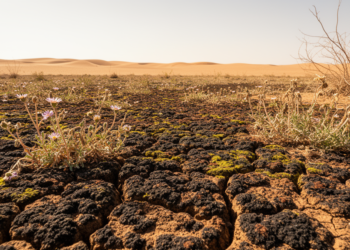
A two-year field experiment in Central Asia's Gurbantunggut Desert found that biological soil crusts reduce ephemeral plant productivity and heighten ...

The study addressed a monitoring gap.

A comparative study estimates that Uzbekistan’s 2017–2019 tourist arrivals were 46% above a synthetic-control counterfactual, while finding limited statistical certainty ...
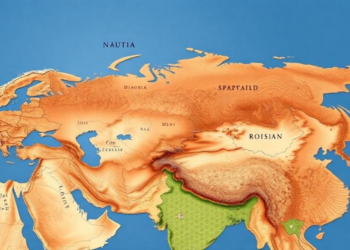
A comprehensive modeling study has redrawn the distribution map of the Central Asian Desert Monitor, revealing major range losses driven ...

A new taxonomic revision describes five previously unknown Elachista moth species from Central Asia, Siberia and Lebanon using genitalia morphology ...

Phylogenomic and morphological evidence has reinstated Lappula betpakdalensis as a distinct species, overturning a decades-old synonymization and sharpening the picture ...

A systematic review of 42 studies reveals that floods across Central Asia are driven by interacting forces including intensifying rainfall, ...


Embark on a thrilling journey of discovery with Scienmag.com—your ultimate source for cutting-edge breakthroughs. Immerse yourself in a world where curiosity knows no limits and tomorrow’s possibilities become today’s reality!