

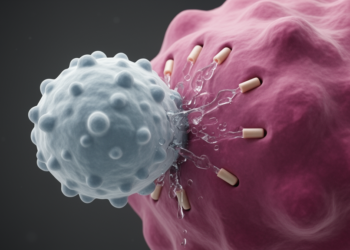
Perforin Kills Cancer Cells Alone, Without Granzymes, Study Finds
New research shows the immune protein perforin can kill tumor cells on its own by triggering iron-dependent ferroptosis, even when ...
New research shows the immune protein perforin can kill tumor cells on its own by triggering iron-dependent ferroptosis, even when ...
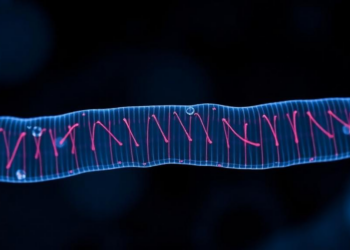
A new study identifies Tollip as a conserved negative regulator of ESCRT-III-mediated plasma membrane repair, showing that the protein balances ...
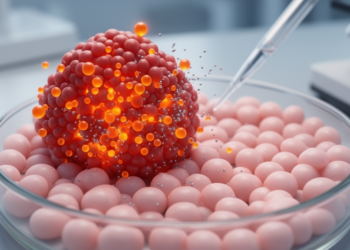
Knocking down CISD2 suppresses gastric cancer cell growth and induces ferroptosis through inhibition of the mTOR/SREBF1/SCD1 axis and GPX4 downregulation, ...
A new Biology Direct study shows that periplocin suppresses osteosarcoma cell proliferation and tumor growth in preclinical models by inducing ...
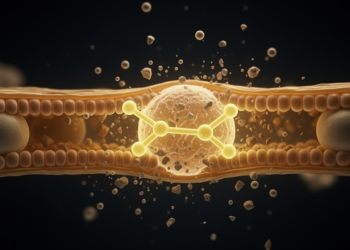
Researchers report that SLC7A11 upregulation in diabetic retinopathy vessels creates a glucose dependency that can be exploited to trigger disulfidptosis-like ...
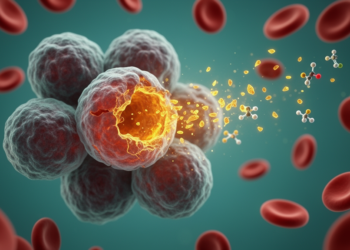
A reducing reagent-resistant dimer of transferrin receptor 1 emerges during lipid peroxidation and can be detected in tissues and blood-borne ...
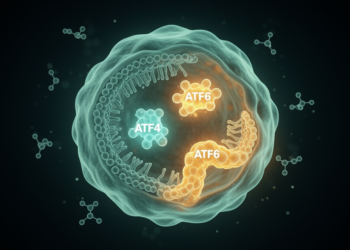
A new study shows that the stress sensors ATF4 and ATF6 coordinate transcriptional and metabolic responses to glucose deprivation in ...
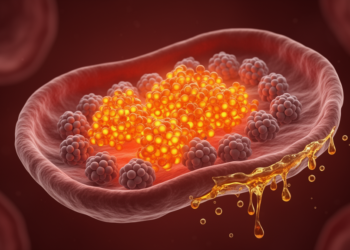
A new open-access review in Cell Biology and Toxicology examines how ferroptosis, an iron-dependent form of cell death, may contribute ...
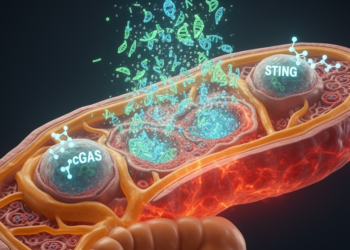
A new review synthesizes evidence that the cGAS-STING DNA-sensing pathway both amplifies and restrains the inflammation and cell death that ...
A CRISPR screen and laboratory experiments show that excess cysteine releases iron from ferritin, damages mitochondria and triggers cell death.


Embark on a thrilling journey of discovery with Scienmag.com—your ultimate source for cutting-edge breakthroughs. Immerse yourself in a world where curiosity knows no limits and tomorrow’s possibilities become today’s reality!