


Iron Complex Locked Inside Zeolite Nanocavities Drives Efficient Oxidative Coupling
An iron coordination complex immobilised in zeolite-Y nanocavities acts as a robust heterogeneous catalyst for the oxidative coupling of β-naphthol, ...
An iron coordination complex immobilised in zeolite-Y nanocavities acts as a robust heterogeneous catalyst for the oxidative coupling of β-naphthol, ...
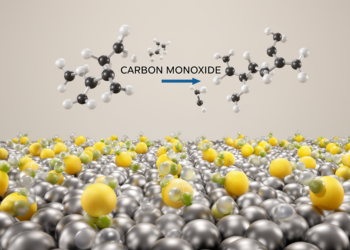
A citric-acid-assisted impregnation method produced a Co-SiO2 catalyst that kept cobalt in a stabilized CoO state and ran substantially longer ...
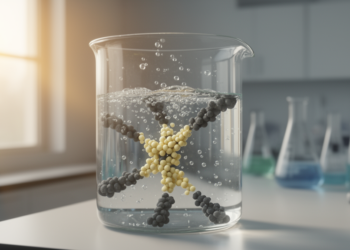
A Co₃O₄/ZnS heterojunction achieved sacrificial-agent-free photocatalytic ammonia synthesis from N₂ and water at 607.6 µg·h⁻¹·gcat⁻¹, retaining 98.4% of its activity ...
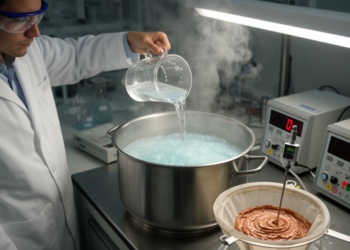
A study in Catalysis Letters finds that the temperature of co-precipitation controls precursor phases, copper dispersion and Cu-ZnO interactions in ...
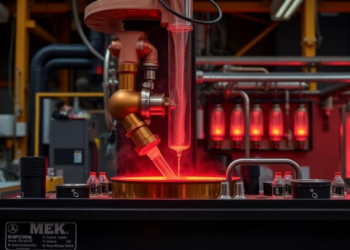
Chinese researchers report that copper catalysts prepared by a formic acid reduction method, especially on silica supports, deliver superior performance ...
The Editors-in-Chief of Catalysis Letters have retracted a 2024 paper on SnO2@CrS2 nanocuboids after concerns emerged over the authenticity of ...
Researchers at Jam Petrochemical Company and Amirkabir University of Technology show how the composition, porosity, and morphology of industrial Ziegler–Natta ...

Researchers converted waste refinery catalyst into a cheap manganese oxide catalyst that removes more than 95 percent of formaldehyde from ...


Embark on a thrilling journey of discovery with Scienmag.com—your ultimate source for cutting-edge breakthroughs. Immerse yourself in a world where curiosity knows no limits and tomorrow’s possibilities become today’s reality!