

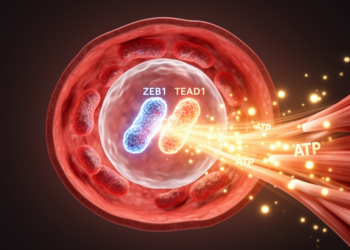
ZEB1-TEAD1 partnership keeps heart cells fueled and functioning
A mouse study in Nature Communications shows that the transcription factor ZEB1 works with TEAD1 to activate metabolic genes sustaining ...
A mouse study in Nature Communications shows that the transcription factor ZEB1 works with TEAD1 to activate metabolic genes sustaining ...
Deleting TGFβ ligands in developing mouse cardiomyocytes disrupts heart maturation and triggers ectopic skeletal muscle gene expression, revealing a paracrine ...
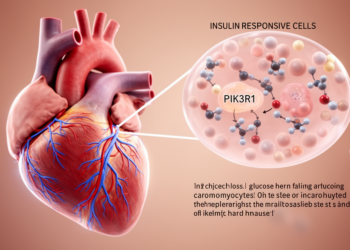
Cardiomyocyte-specific PIK3R1 deletion improved heart function, mitochondrial balance and ferroptosis-related measures in male mice with diabetic cardiomyopathy, while increased PI3K/Akt/Nrf2 ...

A rat and cell study found that sevoflurane reduced measured myocardial and cardiomyocyte injury alongside changes in circ_SMG6 and TLR4/mTOR ...
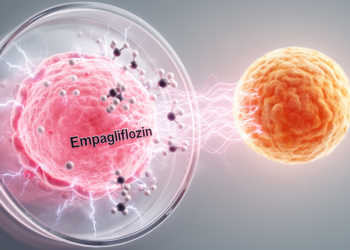
Three-hour pretreatment with empagliflozin reduced multiple electrophysiological signs of arrhythmia in isolated mouse and rabbit heart cells from two non-ischemic ...
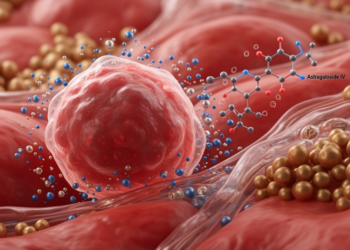
Astragaloside IV reduces pathological cardiac hypertrophy and suppresses ferroptosis in separate models, but direct experiments are needed to establish whether ...
Restoring cardiac METTL14 reduced inflammation and fibrosis while improving survival in two mouse models of progeria.
Researchers used CRISPR-Cas9 to knock out the TAPBP gene in human induced pluripotent stem cells, producing cardiomyocytes with sharply reduced ...
A new study shows that hypertensive stress rewires cardiac macrophage signaling, impairing metabolic support for heart muscle cells while driving ...
A new review argues that the longevity enzyme sirtuin 1 sits at the molecular crossroads between cellular senescence and heart ...


Embark on a thrilling journey of discovery with Scienmag.com—your ultimate source for cutting-edge breakthroughs. Immerse yourself in a world where curiosity knows no limits and tomorrow’s possibilities become today’s reality!