


Chengdu and Chongqing emissions shaped by growth, energy use and efficiency
A 2014–2023 decomposition study finds that economic growth and rising energy use drove carbon emissions in Chengdu and Chongqing, while ...
A 2014–2023 decomposition study finds that economic growth and rising energy use drove carbon emissions in Chengdu and Chongqing, while ...
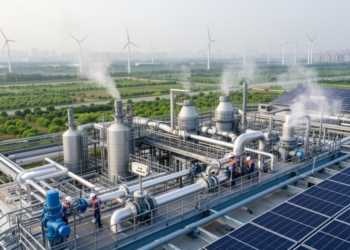
A city-level study finds that participation in China’s emissions trading scheme is associated with lower carbon intensity, reduced pollution and ...

A new free program called WillCO2st converts saved experimental files into real-time, region-specific carbon emissions reports in minutes, helping researchers ...
A systematic review finds that the carbon intensity of a kilowatt-hour of electricity can vary by hundreds of percent depending ...

A study of 972 listed firms in the United States, China, Germany, Japan, and India finds that gender-diverse, independent, frequently ...

New research quantifies how AI data-center siting decisions shift carbon and water burdens across borders, triggering transboundary harm norms and ...

New quantile-based research shows that green technology, digitalization and a combined technological ecosystem consistently reduce China's carbon intensity, with effects ...

A Malaysia-focused input–output study identifies the industries where green finance could best reduce carbon-transition risks without destabilizing interconnected supply chains.


Embark on a thrilling journey of discovery with Scienmag.com—your ultimate source for cutting-edge breakthroughs. Immerse yourself in a world where curiosity knows no limits and tomorrow’s possibilities become today’s reality!