


Drying Methods Alter Cannabis Terpene Content While Preserving Major Cannabinoids
Controlled drying methods significantly impact cannabis terpenes and visual quality while leaving cannabinoid concentrations relatively stable.
Controlled drying methods significantly impact cannabis terpenes and visual quality while leaving cannabinoid concentrations relatively stable.

Researchers mapped trichome diversity and cannabinoid distribution in Cannabis sativa, finding that peak concentrations of THC and CBD in floral ...

Researchers have developed nanovesicles from Cannabis sativa hairy roots that demonstrate immunomodulatory and anti-tumor potential by modulating T-cell responses in ...

Researchers demonstrated that fermenting birch sap with a Medusomyces gisevii culture and plant botanicals enhances antioxidant activity and inactivates model ...

Under conventional agricultural conditions, large-scale cannabinoid production faces substantial constraints, including extensive land and irrigation requirements, susceptibility to pests and ...

A new review synthesizes how drought, light, temperature, nutrients and hormones physiologically and molecularly regulate cannabinoid and terpene biosynthesis in ...
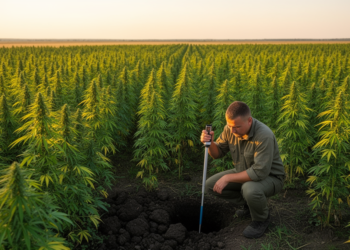
A 90-year hemp monoculture experiment in Ukraine shows distinct bacterial and fungal soil communities, with Verrucomicrobia and Mortierellomycota enriched in ...
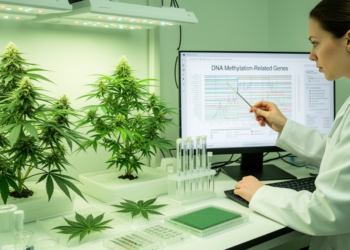
Genome-wide analysis and expression profiling linked changes in ten DNA methylation-related genes to ethephon-induced feminization in cannabis without establishing a ...

Whole-genome analysis of 271 Chinese cannabis accessions identified extensive variation, five genetic clusters and a candidate gene associated with CBD ...
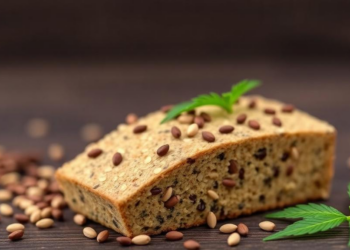
Scientists isolated two phenylpropionamide compounds from hemp seed cake that inhibit the diabetes-linked enzyme PTP1B in vitro, with kinetic, docking, ...


Embark on a thrilling journey of discovery with Scienmag.com—your ultimate source for cutting-edge breakthroughs. Immerse yourself in a world where curiosity knows no limits and tomorrow’s possibilities become today’s reality!