


Airborne Fine Particulate Matter Disrupts Human Embryonic Stem Cell Osteogenic Differentiation
A study in human embryonic stem cells shows that fine particulate matter exposure impairs osteogenic differentiation and alters bone-related gene ...
A study in human embryonic stem cells shows that fine particulate matter exposure impairs osteogenic differentiation and alters bone-related gene ...

Researchers identified a tumor-liver endocrine relay involving FGF21 and IGFBP1 that drives muscle and bone wasting in colorectal cancer models.

Researchers identify PHF2 as a post-translational brake that destabilizes NFATc1 through hydroxylation to limit osteoclast differentiation and bone loss.

Researchers have identified MBD3 and its D246 residue as key regulators promoting Runx2 deacetylation and osteoblast dysfunction in glucocorticoid-induced osteoporosis.
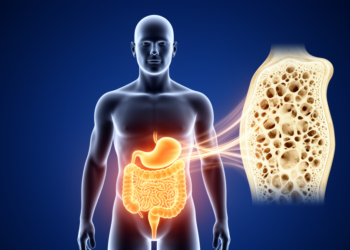
A cross-sectional NHANES analysis of 4,683 adults with diabetes or prediabetes links four novel anthropometric indices to a higher prevalence ...
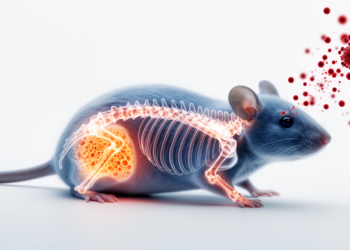
A mouse study finds that constitutive HIV-1 viral protein expression, without viral replication or antiretroviral drugs, is associated with early-onset ...
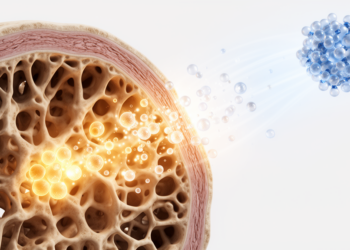
A study combining retrospective human DXA data and mouse experiments reports that statins promote bone formation in estrogen deficiency by ...
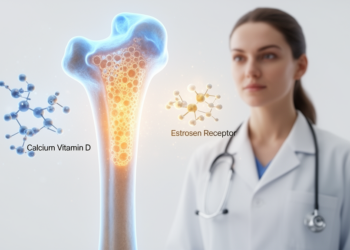
A 25-year bibliometric analysis of 768 publications traces how research on aromatase inhibitor-induced bone loss has shifted from bone density ...
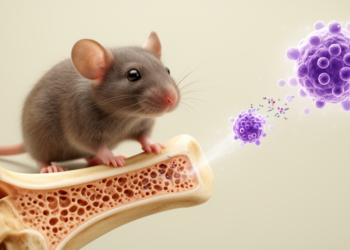
Pre-osteoblast-derived migrasomes delivered miR-21a-5p to inhibit osteoclast differentiation in cell assays and reduced bone loss in an ovariectomy mouse model.
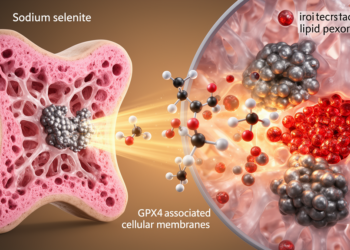
Sodium selenite reduced ferroptosis and improved bone formation through GPX4 in cell and ovariectomized mouse experiments, preclinical findings that do ...


Embark on a thrilling journey of discovery with Scienmag.com—your ultimate source for cutting-edge breakthroughs. Immerse yourself in a world where curiosity knows no limits and tomorrow’s possibilities become today’s reality!