

Algae Could Be the Next Big Weapon Against Crop Pests and Pathogens
A comprehensive review finds that bioactive compounds from microalgae, cyanobacteria, and seaweeds can kill insects, nematodes, fungi, bacteria, viruses, and ...
A comprehensive review finds that bioactive compounds from microalgae, cyanobacteria, and seaweeds can kill insects, nematodes, fungi, bacteria, viruses, and ...

A comprehensive review of lichen secondary metabolites reveals extraordinary antimicrobial, anticancer, antioxidant and industrial potential, while highlighting the biotechnological hurdles ...
A comprehensive review in Results in Chemistry details how molecular docking, virtual screening, and ADMET prediction are accelerating the discovery ...
A new review in the Journal of Nanoparticle Research details how nanoemulsions, nanocarriers, and nano-coatings could overcome the environmental fragility ...
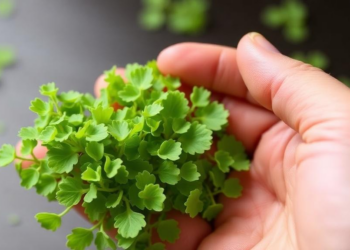
Leaf extracts from fringed rue and narrow-leafed ash, obtained with green extraction methods, strongly inhibit cereal Fusarium fungi including the ...
A Nature Plants review charts how the first registered RNAi-based biopesticides against the Colorado potato beetle and varroa mite signal ...
A new review describes how controlled-release gel encapsulation could protect and deliver beneficial microbes to crops, offering a durable green ...
A new review highlights how microalgae and cyanobacteria can serve as sustainable, circular-economy biopesticides against insects, fungi, weeds, and nematodes.
Essential oils from two native plants of northern Peru strongly inhibited Botrytis cinerea in laboratory tests, highlighting candidates for future ...

Embark on a thrilling journey of discovery with Scienmag.com—your ultimate source for cutting-edge breakthroughs. Immerse yourself in a world where curiosity knows no limits and tomorrow’s possibilities become today’s reality!