


Wax Moth Identified as Optimal Host for Parasitoid Rearing
A laboratory study found that the wax moth is the most suitable host for rearing the parasitoid wasp Habrobracon hebetor, ...
A laboratory study found that the wax moth is the most suitable host for rearing the parasitoid wasp Habrobracon hebetor, ...

Researchers identified two native Bacillus strains from stored Egyptian wheat that suppress Aspergillus flavus colonization and sporulation through volatile compounds ...

A comprehensive review synthesizes two decades of research into biological control agents and integrated pest management strategies targeting the destructive ...

A scientific review details how foraging behavior, agricultural systems, and microbial partnerships dictate the survival and pest-suppression capacity of predatory ...

A native Omani strain of the endophytic fungus Aureobasidium pullulans completely prevented leaf spot symptom development on olive leaves while ...

A survey of 63 Ethiopian bean fields found anthracnose incidence up to 61.23 percent, and laboratory assays showed Trichoderma viride ...

A three-season field study in Egypt found that the broomrape fly Phytomyza orobanchia destroyed 59.6, 91.36, and 100 percent of ...

A Metarhizium anisopliae isolate from northern Thailand killed mustard aphids within five days at high spore doses and showed the ...
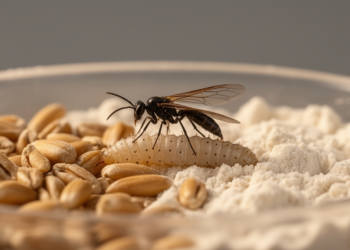
A laboratory study found the Indianmeal moth supports complete development of the parasitoid wasp Meteorus pulchricornis with production metrics comparable ...
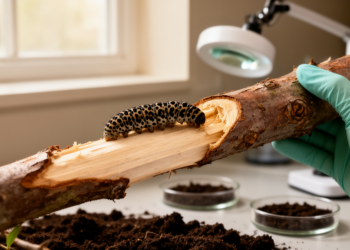
A field trial in Egypt found that injecting willow tree galleries with the native nematode Steinernema carpocapsae EGAZ10 at 500 ...


Embark on a thrilling journey of discovery with Scienmag.com—your ultimate source for cutting-edge breakthroughs. Immerse yourself in a world where curiosity knows no limits and tomorrow’s possibilities become today’s reality!