


Micro- and Nano-plastics May Reshape Cell Mechanics and Disrupt Hydrogen Sulfide Signaling
A new review argues that micro- and nano-plastics may damage cells not only biochemically but by altering the mechanical properties ...
A new review argues that micro- and nano-plastics may damage cells not only biochemically but by altering the mechanical properties ...
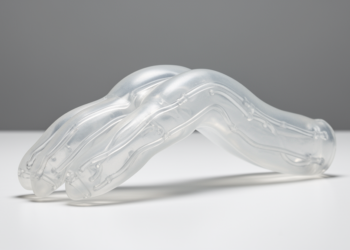
A review in Discover Materials explores how machine learning accelerates the design of biodegradable materials for soft robotics by bridging ...

University of Osaka researchers built 100 alternating layers of pectin and cellulose nanofibers that reflect more than 95% of light ...

Researchers laminated bacterial cellulose–collagen onto woven fabric with an epoxidized soybean oil–citric acid adhesive, producing a flexible, hydrophobic bio-inspired leather ...

A 2026 review details how nanofiber active packaging films made by electrospinning and related techniques can extend the shelf life ...

Brazilian researchers show that mild hydrogen peroxide bleaching at 40 degrees Celsius preserves the nanofiber structure of kombucha-derived bacterial cellulose ...
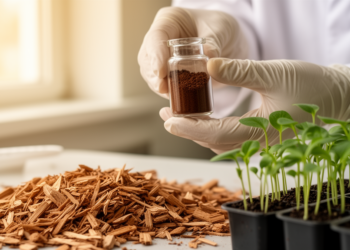
A new review in Carbon Research maps how lignin, the abundant aromatic by-product of pulping, can be converted into controlled-release ...

A new Perspective argues that paper and soft polymeric materials have become active platforms that are transforming electrochemical sensors for ...
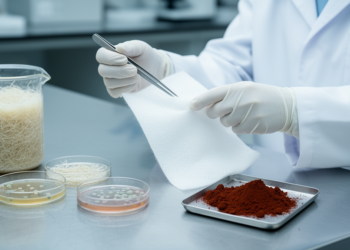
A new study reports that iron-coated microcrystalline cellulose derived from hemp gives PLA nonwoven fabrics antibacterial activity, strongest against S. ...
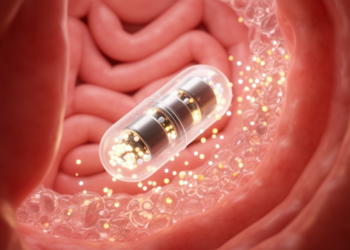
Researchers developed a biodegradable magnetic robot that uses microneedles to deliver biologics to the intestine with delayed onset and sustained ...


Embark on a thrilling journey of discovery with Scienmag.com—your ultimate source for cutting-edge breakthroughs. Immerse yourself in a world where curiosity knows no limits and tomorrow’s possibilities become today’s reality!